Delhi’s air pollution can place significant stress on the respiratory system. During periods of poor air quality, exposure to particulate matter such as PM2.5 and PM10 may contribute to coughing, throat irritation, chest discomfort, breathing difficulty, and worsening of existing respiratory conditions.
While reducing exposure to polluted air, using appropriate protective measures, and following medical advice remain essential, some people also explore complementary therapies such as Cupping Therapy (Hijama) and Acupuncture as part of a broader approach to respiratory wellness.
At Cupping Therapy Delhi in Karol Bagh, Dr. Izharul Hasan provides individualized Hijama and acupuncture sessions based on the person’s symptoms, health history, and overall condition.
Important: Cupping therapy and acupuncture should be considered complementary approaches. They should not replace prescribed medicines, emergency medical care, inhalers, or evaluation by a qualified medical professional when respiratory symptoms are significant.
How Delhi Air Pollution Can Affect Respiratory Health
Delhi frequently experiences periods of elevated air pollution, particularly during certain seasons and weather conditions. Fine particulate matter can enter the respiratory tract and irritate the airways.
Depending on the level and duration of exposure, people may experience:
- Persistent or recurrent cough
- Throat and nasal irritation
- Increased mucus or phlegm
- Chest discomfort or congestion
- Wheezing
- Shortness of breath
- Headache and fatigue
- Worsening of existing asthma or other respiratory conditions
People with asthma, chronic respiratory disease, older adults, children, and individuals with other health conditions may require particular care during periods of poor air quality.
For anyone experiencing persistent, severe, or worsening breathing problems, medical evaluation should be prioritized.
Cupping Therapy and Respiratory Wellness
Cupping Therapy, also known as Hijama in traditional medicine, involves placing cups on selected areas of the body to create controlled suction.
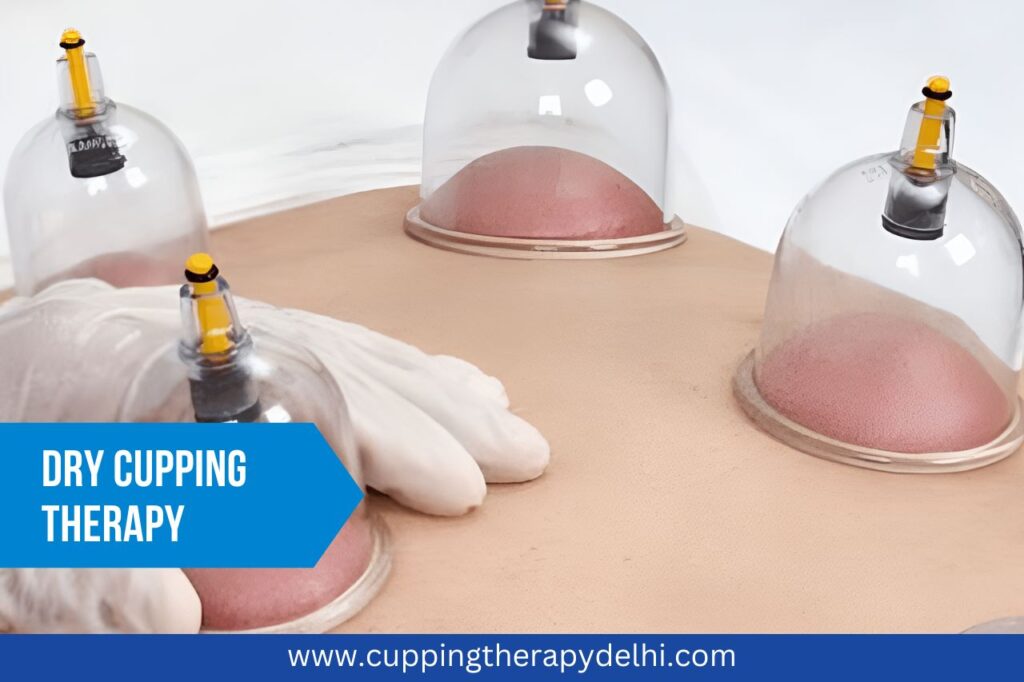
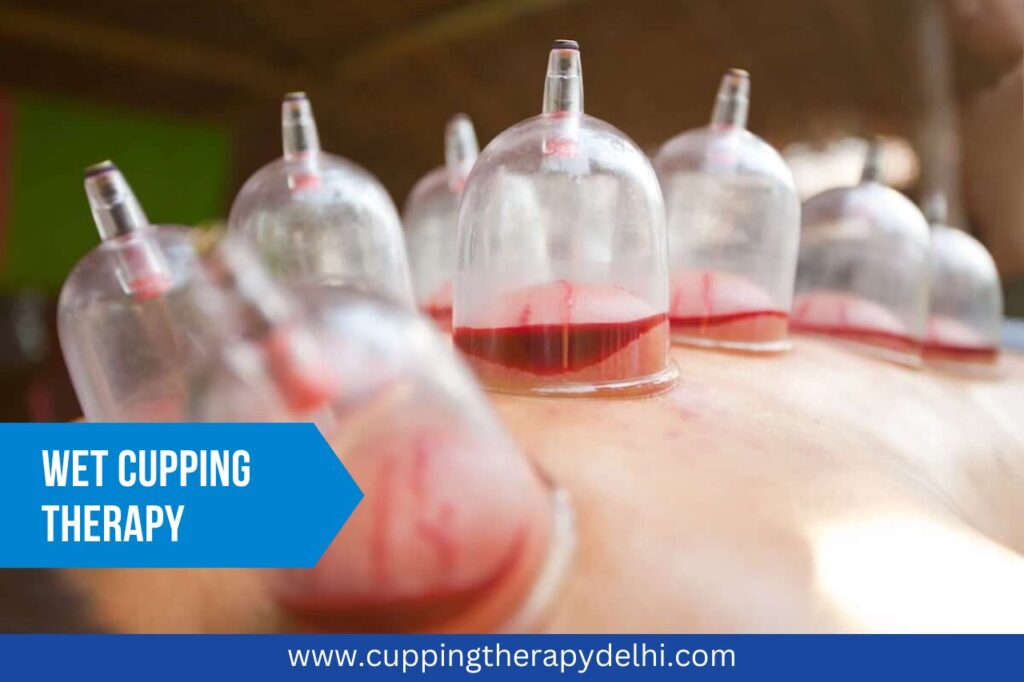
Depending on the type of cupping used, the practitioner may perform dry cupping, massage/gliding cupping, or wet cupping.
Cupping is traditionally used as a complementary therapy for several concerns, particularly musculoskeletal discomfort and general wellness. Some people also seek it for symptoms associated with tension, discomfort, or a feeling of congestion.
The proposed effects of cupping include local changes in blood flow, stimulation of the skin and underlying tissues, and relaxation of tight muscles.
However, cupping should not be described as physically removing pollution particles from the lungs or blood. There is currently no established clinical evidence that cupping can directly remove PM2.5, PM10, or other air pollutants from lung tissue.
At our clinic, the treatment is approached as a complementary wellness therapy rather than a replacement for respiratory medical treatment. It is not meant to replace standard respiratory care.
How Cupping May Complement a Respiratory Wellness Plan
When appropriate for an individual, cupping may be incorporated into a broader wellness program.
1. Promoting Relaxation
Periods of coughing, chest discomfort, poor sleep, and environmental stress can contribute to physical tension. A properly performed cupping session may promote relaxation and a sense of well-being.
2. Supporting Local Circulation
The suction created by cups produces temporary local changes in circulation and tissue sensation. This is one of the commonly proposed mechanisms behind the traditional use of cupping.
3. Addressing Muscular Tension
Pollution-related coughing or prolonged discomfort can sometimes be accompanied by tension in the upper back, shoulders, and chest wall. Cupping may be considered for associated muscular discomfort when clinically appropriate.
4. Supporting Overall Wellness
Some individuals use Hijama as part of a broader lifestyle and wellness routine that may also include appropriate nutrition, physical activity, sleep management, hydration, and stress reduction.
The treatment plan should always be individualized rather than assuming that the same cupping technique is suitable for everyone.
Acupuncture for Respiratory Wellness
Acupuncture is another complementary therapy that some individuals consider for respiratory wellness and symptom management.
Traditional acupuncture uses fine needles at specific points on the body. From a traditional Chinese medicine perspective, treatment may be based on concepts such as Qi and the functional relationships between different body systems.
From a modern clinical perspective, acupuncture is being studied for several symptoms and conditions, although the strength of evidence varies depending on the specific condition and outcome.
At Cupping Therapy Delhi, acupuncture may be considered alongside other supportive approaches depending on an individual’s symptoms and health history.
The objective is not to replace conventional respiratory treatment but to provide an individualized complementary approach.
Cupping and Acupuncture: A Complementary Approach
Some people choose to combine Cupping Therapy and Acupuncture during their wellness sessions.
The two techniques are different:
Cupping Therapy uses controlled suction on selected areas of the body, while Acupuncture uses fine needles at specific points.
When clinically appropriate, combining complementary therapies may be considered as part of an individualized wellness plan.
The exact treatment approach can depend on:
- Current symptoms
- Previous medical history
- Medications
- Skin condition
- Age and general health
- Previous experience with cupping or acupuncture
- The reason for seeking treatment
A proper assessment should be performed before deciding which technique is appropriate.
Who May Consider Cupping Therapy During Pollution Season?
People who are looking for complementary wellness support during periods of poor air quality may ask about cupping or acupuncture, particularly when they experience general tension, muscular discomfort, stress, or a feeling of reduced well-being.
However, these therapies are not suitable for every person.
Individuals with significant respiratory symptoms should first seek appropriate medical assessment rather than relying on complementary treatment alone.
If you have severe breathlessness, significant chest pain, blue or gray lips, confusion, fainting, coughing up blood, or rapidly worsening symptoms, seek urgent medical attention.
Cupping Therapy in Karol Bagh, Delhi
At Cupping Therapy Delhi, treatment is provided in a professional clinical setting with attention to hygiene, patient comfort, and individualized assessment.
Dr. Izharul Hasan provides Hijama and complementary therapy services in Karol Bagh, New Delhi.
Depending on the individual’s needs, treatment may include different forms of cupping such as:
- Dry Cupping
- Wet Cupping (Hijama)
- Fire Cupping
- Massage Cupping
- Other complementary techniques
The appropriate method, duration, and treatment areas should be determined after considering the individual’s condition.
Why Professional Assessment Matters
Cupping is not simply a matter of placing cups on the body. Appropriate treatment requires consideration of the person’s health status, medications, skin condition, and the reason for treatment.
Wet cupping involves controlled skin puncturing and therefore requires particular attention to hygiene, sterile equipment, infection prevention, and proper aftercare.
A qualified practitioner should also recognize situations where cupping is inappropriate or where the patient should instead be referred for conventional medical evaluation.
At Cupping Therapy Delhi, the treatment approach is tailored to the individual rather than applying the same protocol to every patient.
Protecting Your Lungs During Delhi Air Pollution
Complementary therapies should always be considered alongside practical measures that reduce exposure to air pollution.
During periods of poor air quality:
- Check local air-quality levels before prolonged outdoor activity.
- Reduce unnecessary exposure to heavily polluted areas.
- Follow appropriate mask recommendations when needed.
- Keep indoor air as clean as reasonably possible.
- Avoid smoking and exposure to second-hand smoke.
- Follow prescribed treatment for asthma or other respiratory conditions.
- Maintain adequate hydration and a balanced diet.
- Seek medical advice when respiratory symptoms persist or worsen.
These measures are important because cupping therapy or acupuncture cannot prevent exposure to airborne pollutants.
Cupping Therapy and Respiratory Health: What to Expect
If you are considering Hijama or acupuncture for respiratory wellness, your first visit should begin with a discussion of your concerns and relevant health history.
The practitioner may ask about:
- Your current symptoms
- Duration and severity of symptoms
- Existing medical conditions
- Current medicines
- Previous treatments
- Any history of skin problems or bleeding disorders
- Your previous experience with complementary therapies
Based on the assessment, an appropriate treatment approach can be discussed.
The goal should always be safe, individualized complementary care, rather than promising a guaranteed cure or immediate elimination of respiratory symptoms.
A Balanced Approach to Respiratory Wellness
Delhi’s air pollution is a genuine environmental health concern, and protecting respiratory health requires more than a single treatment.
Reducing pollution exposure, maintaining healthy lifestyle habits, and following medical advice are foundations of respiratory care. Seek appropriate treatment when symptoms occur.
Cupping Therapy and Acupuncture may be considered as complementary approaches for selected individuals, particularly as part of a broader wellness plan.
At Cupping Therapy Delhi, Karol Bagh, Dr. Izharul Hasan provides individualized Hijama and acupuncture sessions with an emphasis on professional care, hygiene, and patient-specific treatment planning.
If you are considering complementary therapy for respiratory wellness, schedule a consultation to discuss whether Hijama or acupuncture is appropriate for you.
Book a Consultation in Karol Bagh, Delhi
If you would like to learn more about Cupping Therapy, Hijama, or Acupuncture for respiratory wellness, you can contact Cupping Therapy Delhi in Karol Bagh, New Delhi.
Cupping Therapy Delhi
Dr. Izharul Hasan
Karol Bagh, New Delhi
Explore our other articles and learn more about our complementary therapy services, including Hijama, Acupuncture, Dry Cupping, Wet Cupping, Physiotherapy, and other wellness approaches.