Cupping Therapy Delhi is a traditional therapeutic practice that has been used in different cultures for centuries. Today, many people explore cupping as a complementary approach for muscular tension, selected pain-related complaints, relaxation, and general wellbeing.
Cupping Therapy Delhi involves placing specially designed cups on selected areas of the body to create suction. Depending on the technique used, cupping may be performed as dry cupping, wet cupping (Hijama), gliding cupping, or fire cupping.
If you are searching for Cupping Therapy Delhi in Karol Bagh or Delhi, it is important to understand what it can realistically offer, how different techniques work, and when professional assessment is appropriate.
At Cupping Therapy Delhi, located in DB Gupta Market, Karol Bagh, Delhi, Dr. Izharul Hasan provides cupping and Hijama sessions.
Moreover, these are tailored to the person’s concerns, health history, and suitability.
What Is Cupping Therapy?
Cupping therapy involves placing cups on selected areas of the skin and creating a controlled vacuum.
The suction gently lifts the skin and underlying tissues into the cup. This produces a temporary local effect and may be used as part of a complementary approach for muscular tension and physical discomfort.
Cupping is not a one-size-fits-all treatment. The technique, location, duration, and number of cups may vary depending on the individual’s condition and treatment goals.
Common forms of cupping include:
- Dry cupping
- Wet cupping or Hijama
- Gliding cupping
- Fire cupping
A trained practitioner should determine which approach is appropriate after considering the person’s health and treatment goals.
How Does Cupping Therapy Work?
During cupping, negative pressure is created inside the cup.
The suction draws the skin and superficial tissues upward. This can produce temporary changes in the local circulation and tissue sensation.
Many people seek cupping for its potential supportive role in:
- Muscle relaxation
- Physical comfort
- Muscular tension
- Selected pain-related complaints
- Relaxation and general wellbeing
The exact effects can vary between individuals, and research on cupping differs depending on the condition and technique being studied.
Cupping should therefore be viewed as a complementary therapy rather than a replacement for appropriate medical diagnosis or treatment.
What Are the Potential Benefits of Cupping Therapy?
Cupping is commonly used as part of complementary care for a variety of physical concerns.
1. Support for Muscular Tension
Tight or overworked muscles can contribute to stiffness and discomfort.
Cupping may be used over selected areas of muscular tension to promote relaxation and improve the feeling of physical comfort.
It is commonly explored for areas such as:
- Back
- Neck
- Shoulders
- Upper back
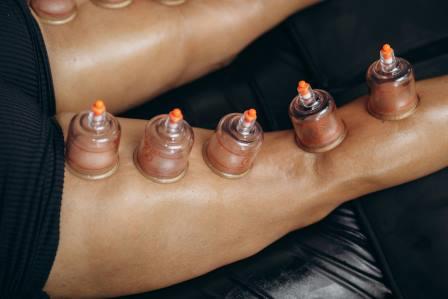
- Thighs
- Calves
The treatment area depends on the person’s symptoms and assessment.
2. Support for Selected Pain Complaints
Some people seek cupping for musculoskeletal pain involving the back, neck, shoulders, or other areas.
Cupping may be incorporated into a broader pain-management approach when appropriate.
For example, people may explore cupping alongside exercise, physiotherapy, stretching, lifestyle changes, or other appropriate treatments.
Services
3. Relaxation and Stress Management
Modern lifestyles can involve prolonged sitting, work-related physical tension, poor sleep, and daily stress.
A cupping session may provide a relaxing experience for some individuals, particularly when muscular tension is also present.
Cupping should not be considered a primary treatment for anxiety or depression, but it may be used as a complementary wellness approach alongside appropriate mental-health care and healthy lifestyle habits.
4. Supporting Mobility and Physical Comfort
Muscle stiffness can sometimes make movement uncomfortable.
When appropriate, cupping may be included alongside stretching, exercise therapy, physiotherapy, or other rehabilitation approaches.
The objective is not simply to provide temporary comfort but to support a broader approach to improving physical function.
5. Complementary Support During Wellness and Recovery
Some people choose cupping as part of a broader wellness routine.
Depending on the individual’s goals, complementary care may focus on:
- Physical relaxation
- Muscular comfort
- Recovery from physical activity
- Stress management
- General wellbeing
The suitability of treatment depends on the individual’s health status and should be assessed before the session.
Cupping Therapy for Back Pain
Back pain is one of the common reasons people explore complementary therapies.
Back discomfort can have many causes, including muscular strain, prolonged sitting, poor movement habits, physical overuse, or other musculoskeletal problems.
Cupping may be considered as a complementary approach for selected muscular back discomfort and tension.
However, severe, persistent, unexplained, or recurrent back pain should be properly evaluated.
Symptoms such as significant weakness, progressive numbness, loss of bladder or bowel control, or severe pain following an injury require prompt medical assessment.
Musculoskeletal Disorders
Cupping Therapy for Neck and Shoulder Tension
Neck and shoulder tension can occur due to prolonged computer use, mobile-phone use, poor posture, stress, physical work, or muscular overuse.
Depending on the cause, treatment may include:
- Cupping therapy
- Stretching
- Exercise therapy
- Postural correction
- Physiotherapy
- Ergonomic changes
Cupping may be considered as one complementary option for selected muscular tension.
Related service: https://cuppingtherapydelhi.com/services/physiotherapy/
Cupping Therapy for Sports and Physical Activity
People who exercise regularly or participate in sports may experience muscle tightness and physical fatigue.
Cupping may be considered as part of a broader recovery approach that can also include:
- Proper warm-up
- Stretching
- Strength training
- Adequate hydration
- Nutrition
- Rest and recovery
- Physiotherapy when required
Cupping should not replace appropriate evaluation or rehabilitation after a significant sports injury.
Types of Cupping Therapy
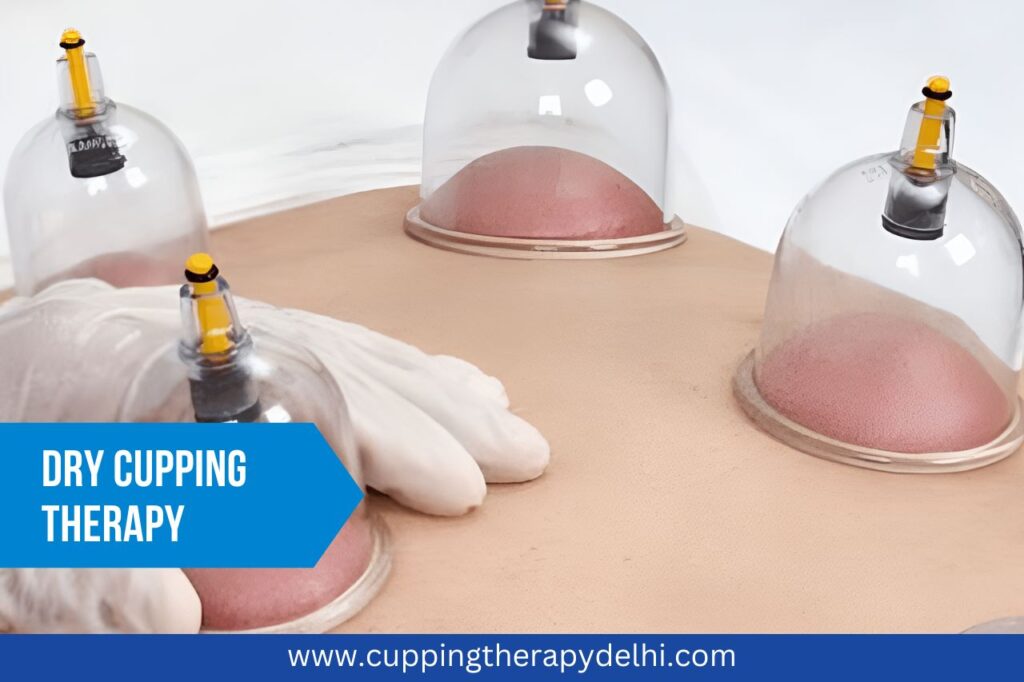
Dry Cupping
Dry cupping uses suction without intentionally breaking the skin.
It is commonly selected for localized muscular tension and physical relaxation.
Because the skin remains intact, the procedure does not involve the controlled skin incisions used in wet cupping.
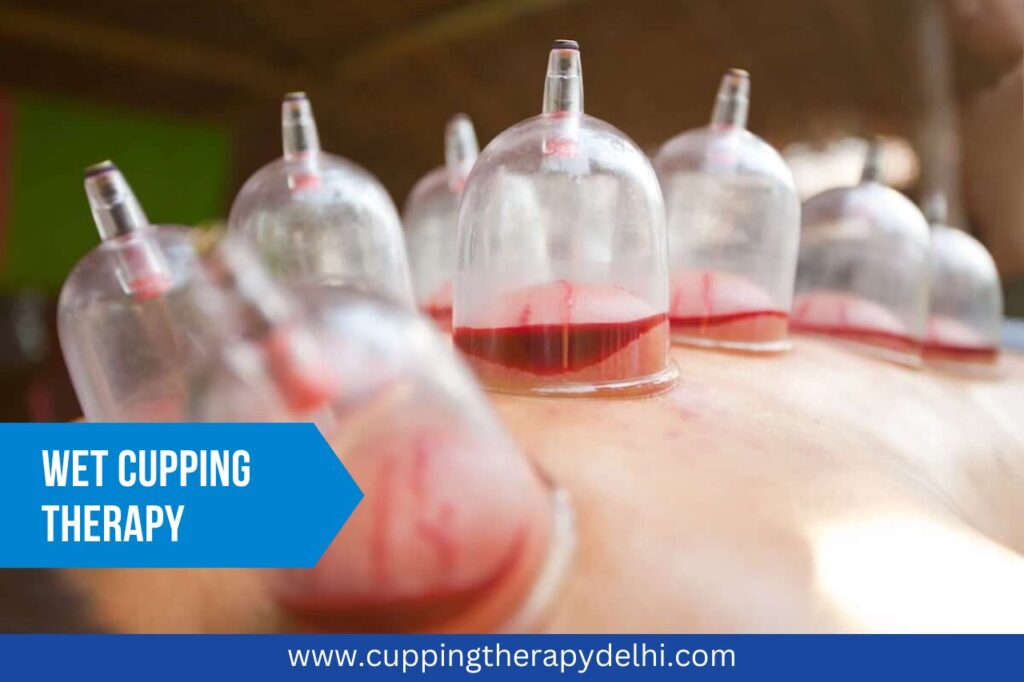
Wet Cupping / Hijama
Wet cupping, commonly called Hijama, involves controlled superficial skin pricks followed by suction.
Because the skin is broken, infection-control practices, sterile equipment, appropriate preparation, and aftercare are especially important.
Wet cupping is not suitable for everyone. Individual health history and medical circumstances should be considered before treatment.
Related service: https://cuppingtherapydelhi.com/services/wet-cupping/
Gliding Cupping
Gliding cupping involves moving cups across the skin using an appropriate lubricant.
It may be used over larger areas when the treatment goal involves broader muscular tension.
Fire Cupping
Fire cupping uses heat to create the vacuum inside the cup.
This technique requires appropriate training and safety precautions because improper use of heat can result in burns.
Is Cupping Therapy Safe?
Cupping can be suitable for many people when performed appropriately by a trained practitioner, but it is not completely risk-free.
Temporary effects may include:
- Circular marks
- Skin redness
- Mild tenderness
- Temporary bruising
- Local sensitivity
Wet cupping has additional considerations because the skin is broken.
The procedure should be performed using appropriate hygiene and infection-control practices.
A practitioner should also consider the individual’s medical history before treatment.
Who Should Be Cautious About Cupping?
Cupping may not be appropriate for everyone.
Extra caution or medical consultation may be necessary for people with certain health conditions, bleeding problems, significant anemia, active skin infections, or other circumstances that may increase treatment risks.
Pregnancy, recent surgery, use of certain medications, and other medical conditions may also require individualized assessment.
Always tell the practitioner about your medical conditions and medications before treatment.
What Should You Expect During a Cupping Session?
A session generally begins with a discussion of your concerns and relevant health history.
The practitioner may ask about:
- Your main symptoms
- Duration of the problem
- Previous treatments
- Medical conditions
- Current medications
- Previous injuries
- Your treatment goals
The appropriate cupping technique and treatment areas can then be selected.
During treatment, the cups are placed on selected areas and suction is created.
After the session, temporary circular marks may remain on the skin. These usually fade gradually.
Aftercare instructions may vary depending on the type of cupping performed.
Cupping Therapy and Other Treatments
Cupping does not have to be considered separately from every other form of care.
Depending on the person’s condition, it may be incorporated into a broader approach that includes:
- Physiotherapy
- Acupuncture
- Exercise therapy
- Stretching
- Lifestyle guidance
- Appropriate medical treatment
For example, someone with chronic muscular back discomfort may benefit from a combination of physiotherapy, therapeutic exercises, and complementary cupping when appropriate.
Where Can I Find Cupping Therapy in Karol Bagh?
If you are searching for cupping therapy in Karol Bagh, Cupping Therapy Delhi provides individualized cupping services at DB Gupta Market, Karol Bagh, New Delhi.
The available approaches may include:
- Dry cupping
- Wet cupping / Hijama
- Gliding cupping
- Fire cupping
- Cupping for selected pain-related complaints
- Complementary wellness-focused cupping
Treatment is planned according to the individual’s concerns, health history, and suitability.
Who Provides Hijama Therapy in Delhi?
If you are searching for Hijama therapy in Delhi, Dr. Izharul Hasan provides wet cupping/Hijama services at Cupping Therapy Delhi in Karol Bagh.
Before wet cupping, relevant health information should be discussed so that the practitioner can determine whether the procedure is appropriate and what precautions may be required.
Frequently Asked Questions About Cupping Therapy
What is cupping therapy used for?
Cupping therapy is commonly used as a complementary approach for selected muscular tension, physical discomfort, relaxation, and general wellbeing. The appropriate use depends on the individual’s condition and treatment goals.
Can cupping therapy help with back pain?
Cupping may be considered as a complementary approach for selected muscular back pain and tension. A proper assessment is important because back pain can have many different causes.
Can cupping help with neck and shoulder pain?
Cupping may help support relaxation and physical comfort in selected cases of muscular neck and shoulder tension. Depending on the cause, physiotherapy, exercise, posture correction, or other treatments may also be appropriate.
Is Hijama the same as cupping therapy?
Hijama is a form of wet cupping. Unlike dry cupping, wet cupping involves controlled superficial skin pricks followed by suction.
Which is better: dry cupping or wet cupping?
Neither technique is universally better. The appropriate approach depends on the person’s health, symptoms, treatment goals, and suitability. A practitioner can discuss the options during consultation.
Does cupping therapy hurt?
Most people experience a pulling or tight sensation from the suction. Some temporary tenderness or bruising may occur afterward. Wet cupping can involve additional discomfort because the skin is superficially pricked.
How long does a cupping session take?
The duration can vary depending on the type of cupping, number of treatment areas, and individual treatment plan. The practitioner can explain the expected session duration during consultation.
How long do cupping marks last?
Cupping can leave temporary circular marks or bruising. Their appearance and duration vary from person to person and depend on factors such as suction intensity, treatment technique, and individual skin response.
Can cupping therapy be combined with physiotherapy?
Yes. In selected cases, cupping and physiotherapy may be incorporated into a broader treatment approach. Physiotherapy focuses on movement, strength, mobility, and rehabilitation, while cupping may provide complementary support for selected muscular tension and discomfort.
Can cupping therapy help with stress?
Some people find cupping sessions relaxing, particularly when physical or muscular tension accompanies stress. However, persistent anxiety or other mental-health concerns should receive appropriate professional care.
Where can I get cupping therapy in Delhi?
Cupping Therapy Delhi provides dry cupping, wet cupping/Hijama, and other cupping approaches in Karol Bagh, New Delhi, subject to individual assessment and suitability.
Where can I find cupping therapy near Karol Bagh?
If you are looking for cupping therapy near Karol Bagh, Cupping Therapy Delhi is located at DB Gupta Market, Karol Bagh, New Delhi.
Who provides cupping therapy in Delhi?
Dr. Izharul Hasan provides cupping and Hijama therapy at Cupping Therapy Delhi in Karol Bagh, New Delhi, with treatment selected according to individual needs and suitability.
How to Choose a Cupping Therapy Provider
When choosing a cupping therapy provider, consider:
- Practitioner experience and training
- Proper hygiene and infection-control practices
- Individual assessment before treatment
- Clear explanation of the procedure
- Appropriate use of equipment
- Safe handling of wet-cupping procedures
- Proper aftercare guidance
It is also important to be open about your medical history and medications before treatment.
Cupping Therapy in Delhi: A Personalized Approach
Cupping therapy should not be approached as a single treatment that is identical for everyone.
A person seeking cupping for back tension may require a different approach from someone seeking relaxation, sports recovery, neck and shoulder comfort, or Hijama.
At Cupping Therapy Delhi in Karol Bagh, the treatment approach is planned according to the individual’s concerns, health history, treatment goals, and suitability.
The goal is to provide a professional and individualized complementary therapy experience.
Final Thoughts
Cupping therapy is a traditional complementary therapy that continues to be explored by people seeking support for muscular tension, selected pain-related complaints, physical relaxation, and general wellbeing.
Different techniques—including dry cupping, wet cupping/Hijama, gliding cupping, and fire cupping—have different procedures and considerations.
The most appropriate technique depends on the individual rather than simply choosing the treatment with the strongest claims.
If you are considering cupping therapy in Delhi or Karol Bagh, a consultation can help you understand which approach may be suitable for your concerns.
Cupping Therapy Delhi
Dr. Izharul Hasan
DB Gupta Market, Karol Bagh, New Delhi
Phone: 8287833547
You can contact the clinic to discuss your concerns and determine whether cupping therapy may be an appropriate complementary option for you.
Medical Disclaimer: This article is for general educational purposes and does not replace professional medical diagnosis, treatment, or advice. Cupping therapy is a complementary approach and may not be appropriate for everyone. If you have persistent, severe, or unexplained symptoms, seek appropriate medical evaluation.