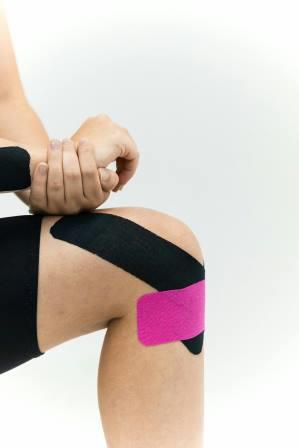
Joint pain, muscle stiffness, back pain, neck discomfort, shoulder problems, and other musculoskeletal complaints are common. Additionally, these problems can affect movement, work, exercise, sleep, and everyday activities. Cupping Therapy for Joint Pain may offer relief.
Cupping therapy is a traditional complementary therapy that some people explore for muscular tension and pain-related complaints, as well as physical relaxation.
Depending on the individual and the condition, it may be considered alongside appropriate exercise, physiotherapy, medical treatment, or other supportive approaches.
If you are searching for cupping therapy in Delhi for joint pain or musculoskeletal problems, Cupping Therapy Delhi provides individualized cupping and Hijama services at DB Gupta Market, Karol Bagh, New Delhi.
What Are Musculoskeletal Problems?
The musculoskeletal system includes the muscles, bones, joints, tendons, ligaments, and other structures that help the body move and function.
Musculoskeletal problems can include:
- Knee pain
- Back pain
- Neck pain
- Shoulder stiffness
- Frozen shoulder
- Muscle strain
- Muscle tightness
- Joint stiffness
- Sports injuries
- Tendon-related problems
- Certain types of arthritis
- Sciatica and related symptoms
The cause of pain can be different from person to person. It may involve injury, overuse, age-related changes, inflammation, muscle weakness, poor movement patterns, nerve irritation, or other medical conditions.
Therefore, identifying the underlying cause is an important part of appropriate treatment.
Can Cupping Therapy Help With Joint Pain?
Cupping may be considered as a complementary approach for selected musculoskeletal pain and muscular tension.
During cupping, specially designed cups are placed on selected areas of the skin and suction is created. This produces a temporary local effect and may help some people experience reduced muscular tension or improved physical comfort.
However, cupping should not be presented as a cure for arthritis, osteoporosis, degenerative disc disease, or other structural joint conditions.
For persistent joint pain, an appropriate assessment is important to understand what is causing the symptoms and whether additional medical or rehabilitative treatment is required.
Understanding the Causes of Joint Pain
Joint pain does not have one universal cause.
For example, knee pain may occur because of osteoarthritis, injury, overuse, muscular weakness, ligament problems, or other conditions.
Similarly, back pain can be associated with muscular strain, spinal changes, nerve irritation, posture-related factors, or other causes.
Some conditions may also involve inflammation or crystal deposition, such as gout, where urate crystals can accumulate in joints.
This is different from saying that a general accumulation of “orthopedic salts” is responsible for most joint or spinal problems.
What About Calcium and Joint Problems?
Calcium is an essential mineral required for normal bone health and many functions in the body.
It is not correct to assume that taking calcium automatically causes joint problems or that calcium supplementation creates a general layer of “salts” inside joints.
Certain conditions can involve abnormal mineral or crystal deposition, but these require proper medical evaluation.
If you are taking calcium or any other supplement, discuss its need and appropriate dose with your healthcare professional rather than stopping or increasing it based on information from the internet.
How Cupping Therapy May Be Used for Musculoskeletal Complaints
Cupping is generally used as a complementary therapy rather than a standalone cure for structural conditions.
Depending on the person’s symptoms and treatment goals, it may be considered for:
Muscle Tension
Tight or overworked muscles can contribute to discomfort and restricted movement. Cupping may be used over selected muscular areas to support relaxation and physical comfort.
Back and Neck Discomfort
Cupping may be considered as part of a broader approach for selected muscular back or neck discomfort.
Exercise, stretching, physiotherapy, posture correction, and other appropriate interventions may also be important.
Related service: https://cuppingtherapydelhi.com/comprehensive-therapy-solutions/musculoskeletal-disorders/
Shoulder Stiffness
People with muscular shoulder tension may explore cupping as a complementary treatment.
However, conditions such as frozen shoulder can involve significant restriction of movement and may require structured physiotherapy and medical assessment.
Knee Pain
Cupping may be considered for selected muscular discomfort around the knee, but it does not repair damaged cartilage or reverse structural osteoarthritis.
For persistent knee pain, evaluation can help determine whether the problem is related to osteoarthritis, injury, muscle weakness, ligament problems, or another cause.
Cupping Therapy for Different Musculoskeletal Conditions
Cupping for Back Pain
Back pain is one of the most common musculoskeletal complaints.
Depending on the cause, treatment may involve:
- Therapeutic exercise
- Stretching
- Strengthening
- Physiotherapy
- Posture and ergonomic advice
- Appropriate medical treatment
- Complementary therapies such as cupping when suitable
Cupping should not delay medical evaluation when back pain is severe, persistent, or associated with concerning neurological symptoms.
Cupping for Neck Pain
Neck discomfort can be associated with prolonged sitting, muscle tension, physical strain, posture, injury, or other conditions.
Cupping may be considered for selected muscular tension, particularly when incorporated into a broader rehabilitation and movement plan.
Cupping for Frozen Shoulder
Frozen shoulder can cause significant pain and restriction of shoulder movement.
Physiotherapy and structured exercises are commonly important parts of management.
Cupping may be considered as a complementary approach for associated muscular tension, but it should not replace appropriate rehabilitation.
Cupping for Knee Pain
Knee pain has many possible causes.
For some patients, muscular tension around the knee may contribute to discomfort or altered movement. Cupping may be considered as a complementary approach in selected cases.
However, cupping cannot be expected to regenerate damaged cartilage, remove osteophytes, or reverse established joint degeneration.
A proper assessment is particularly important when knee pain is persistent or associated with swelling, instability, injury, or difficulty walking.
Cupping for Sciatica
Sciatica generally refers to symptoms related to irritation or compression of the sciatic nerve or its contributing structures.
Symptoms may include pain radiating from the lower back toward the leg, numbness, tingling, or weakness.
Because nerve-related symptoms can have different causes, persistent or significant symptoms should be assessed appropriately.
Cupping may be considered as a complementary approach for associated muscular tension in selected cases, but it should not be presented as a treatment that removes nerve compression.
Cupping for Muscle Tightness and Sports Injuries
Muscle tightness and physical overuse are common among people who exercise, work physically, or participate in sports.
Cupping may be included as part of a broader recovery approach involving:
- Rest
- Appropriate exercise
- Stretching
- Strengthening
- Hydration and nutrition
- Physiotherapy
- Gradual return to activity
Significant injuries should be properly assessed before returning to intense physical activity.
What Are the Different Types of Cupping?
Different cupping techniques may be selected depending on the individual’s needs.
Dry Cupping
Dry cupping involves creating suction without intentionally breaking the skin.
It is commonly used for selected muscular tension, physical discomfort, and relaxation.
Wet Cupping / Hijama
Wet cupping, commonly known as Hijama, involves controlled superficial skin pricks followed by suction.
Because the skin is broken, appropriate hygiene, sterile equipment, infection-control procedures, and aftercare are particularly important.
Related service: [Add internal link to your Hijama / Wet Cupping page]
Gliding Cupping
Gliding cupping involves moving cups over the skin with an appropriate lubricant.
It may be used over larger areas of muscular tension.
Fire Cupping
Fire cupping uses heat to create the vacuum inside the cup.
It requires appropriate training and precautions because improper use of heat can cause burns.
Is Cupping Therapy Safe for Joint and Muscle Problems?
Cupping can be suitable for many people when performed appropriately, but it is not completely risk-free.
Temporary effects can include:
- Circular marks
- Bruising
- Mild tenderness
- Temporary skin redness
- Local sensitivity
Wet cupping has additional risks because the skin is broken.
Before treatment, inform the practitioner about your medical conditions, medications, previous surgeries, bleeding problems, and other relevant health information.
When Should You See a Doctor Instead of Relying on Cupping?
Cupping should not delay appropriate medical evaluation.
Seek professional medical assessment when pain is:
- Severe or rapidly worsening
- Following a significant injury
- Associated with major swelling
- Associated with fever or signs of infection
- Associated with significant weakness
- Associated with progressive numbness
- Causing major difficulty walking or using a limb
Back pain accompanied by serious neurological symptoms, including loss of bladder or bowel control, requires urgent medical evaluation.
Can Cupping and Physiotherapy Be Used Together?
In selected cases, physiotherapy and cupping therapy may be used as complementary approaches.
Physiotherapy focuses on movement, strength, flexibility, rehabilitation, and functional recovery.
Cupping may be considered for selected muscular tension and physical comfort.
For example, a patient with muscular back discomfort may benefit from therapeutic exercises and rehabilitation, with cupping considered as an additional complementary approach when appropriate.
Related service: [Add internal link to your Physiotherapy page]
Where Can I Find Cupping Therapy for Joint Pain in Delhi?
If you are searching for cupping therapy for joint pain in Delhi, Cupping Therapy Delhi provides individualized cupping services in DB Gupta Market, Karol Bagh, New Delhi.
Treatment may include dry cupping, wet cupping/Hijama, gliding cupping, or other appropriate approaches depending on the person’s concerns and suitability.
A consultation can help determine whether cupping is appropriate and whether another form of treatment or rehabilitation should also be considered.
Who Provides Cupping Therapy in Karol Bagh?
Dr. Izharul Hasan provides cupping and Hijama services at Cupping Therapy Delhi in Karol Bagh, New Delhi.
The treatment approach is individualized according to the person’s symptoms, health history, treatment goals, and suitability.
Frequently Asked Questions
Can cupping therapy cure arthritis?
Cupping should not be described as a cure for arthritis. It may be considered as a complementary approach for selected muscular tension or discomfort, while appropriate medical and rehabilitative management remains important for arthritis.
Can cupping remove calcium deposits from joints?
There is no established basis for claiming that cupping removes calcium deposits, osteophytes, or other structural changes from joints. Conditions involving abnormal deposits require appropriate medical assessment.
Can cupping treat osteoarthritis?
Cupping may be considered as a complementary approach for selected pain or muscular tension associated with osteoarthritis, but it does not reverse cartilage degeneration or cure osteoarthritis.
Can cupping help with knee pain?
Some people explore cupping for muscular tension and discomfort around the knee. Whether it is appropriate depends on the underlying cause of the knee pain.
Can cupping help with back pain?
Cupping may be considered for selected muscular back discomfort and tension. A proper assessment is important because back pain can have many different causes.
Can cupping help with frozen shoulder?
Cupping may provide complementary support for associated muscular tension, but frozen shoulder often requires structured mobility exercises and physiotherapy. The treatment plan should be individualized.
Can cupping help with sciatica?
Cupping may be considered for associated muscular tension in selected cases. However, it should not be presented as a method for removing nerve compression or treating every cause of sciatica.
Is wet cupping better than dry cupping for joint pain?
Neither technique is universally better. The appropriate method depends on the individual’s condition, health history, treatment goals, and suitability.
Can cupping be combined with physiotherapy?
Yes. In selected cases, cupping may be incorporated into a broader physiotherapy and rehabilitation plan. The two approaches have different roles and should be individualized.
Where can I get cupping therapy in Delhi?
Cupping Therapy Delhi provides dry cupping, wet cupping/Hijama, gliding cupping, and other cupping approaches in Karol Bagh, New Delhi, subject to individual assessment and suitability.
A Personalized Approach to Musculoskeletal Care
Joint and muscle problems are not all the same.
A person with osteoarthritis may require a very different treatment plan from someone with a sports injury, muscular tension, or nerve-related symptoms.
For this reason, it is better to understand the likely cause of the problem before selecting a treatment.
At Cupping Therapy Delhi in Karol Bagh, cupping is approached as a complementary therapy and can be considered according to the individual’s symptoms, health history, and treatment goals.
Where appropriate, cupping may be combined with physiotherapy, exercise, acupuncture, lifestyle measures, or conventional medical care.
Final Thoughts
Cupping therapy can be a useful complementary approach for selected musculoskeletal complaints, particularly muscular tension, physical discomfort, and relaxation.
However, it should not be promoted as a method for removing “salts,” regenerating damaged joints, reversing osteoporosis, or curing structural diseases.
The most effective approach to joint and musculoskeletal problems begins with understanding the underlying condition and then selecting appropriate treatment and rehabilitation.
If you are looking for cupping therapy in Delhi or Karol Bagh, you can contact Cupping Therapy Delhi at:
Dr. Izharul Hasan
DB Gupta Market, Karol Bagh, New Delhi
Phone: 8287833547
A consultation can help determine whether cupping therapy may be appropriate for your particular concern.