At Cupping Therapy Delhi, we recognize acne’s challenges and the search for effective treatments. Hijama for Acne is discussed as an ancient technique that has garnered attention. We present balanced, evidence-based insights to help readers understand cupping’s role.
This blog explores practical considerations, safety, and expectations for results. Cupping therapy may influence skin health by circulation and inflammation, with varying outcomes. Readers should consult qualified practitioners to assess suitability for their skin type and goals. We emphasize adherence to safety guidelines and realistic expectations.
What is Hijama for Acne?
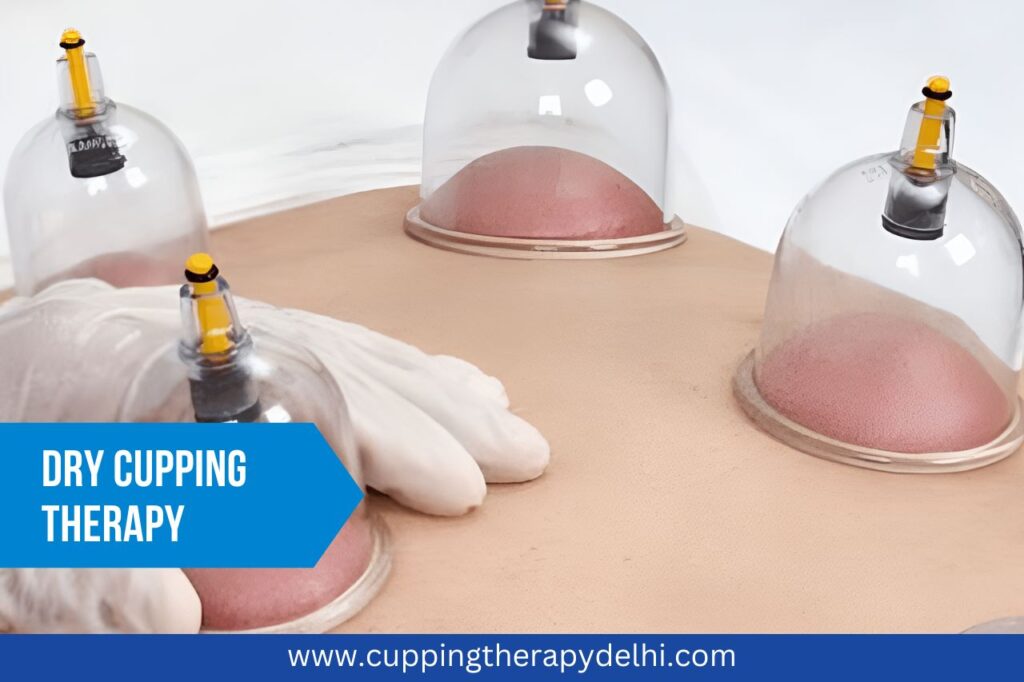
Hijama for Acne involves placing glass or plastic cups on the skin to create a vacuum. Additionally, this vacuum stimulates blood flow and lymphatic drainage, supporting detoxification and skin health.
However, for acne treatment, the procedure targets areas prone to breakouts. Additionally, the approach aims to reduce inflammation, promote healing, and improve overall skin condition. It supports drainage and can complement topical or medical therapies when used cautiously. Clinicians should assess suitability and monitor for any signs of irritation.
Benefits of Hijama for Acne
1. Reduces Inflammation: The vacuum created during Hijama can help decrease inflammation in the skin, which is particularly beneficial for inflamed acne lesions.
2. Enhances Blood Circulation: Improved circulation aids in delivering essential nutrients and oxygen to the skin, fostering faster healing and healthier skin.
3. Detoxifies the Skin: Hijama supports the removal of toxins from the body, which can reduce the factors contributing to acne outbreaks.
4. Promotes Skin Healing: By stimulating blood flow, Hijama can accelerate the repair of acne-damaged skin and minimize scarring.
5. Balances Oil Production: Hijama can help regulate the skin’s oil production, which may prevent clogged pores and reduce the likelihood of future breakouts.
How Cupping Therapy Delhi Provides Hijama for Acne
At Cupping Therapy Delhi, we tailor our Hijama treatments to address acne-specific concerns. Our approach includes:
1. Consultation: We begin with a detailed consultation to understand your acne issues and overall skin health.
2. Preparation: The skin is cleansed, and a soothing layer of herbal oil is applied to facilitate smooth cup movement.
3. Cupping: Cups are strategically placed on acne-prone areas to create a vacuum that promotes circulation and detoxification. The treatment may involve stationary cups or gentle movements to cover different regions.
4. Post-Treatment Care: After the session, we cleanse the skin and provide aftercare recommendations to enhance treatment results and ensure your skin’s well-being.
What to Expect After Hijama for Acne
Post-treatment, your skin may appear slightly pink or flushed, but this should subside within a few hours. Some patients might experience minor bruising or redness, which will diminish in a few days. It’s important to follow our aftercare advice, including using gentle skincare products and avoiding direct sunlight.
Additional Benefits of Hijama for Acne
1. Stress Reduction: Acne can be exacerbated by stress. Hijama’s calming effects can help manage stress, potentially reducing acne flare-ups.
2. Improved Sleep: Many find that Hijama helps improve sleep quality, contributing to overall skin health and reducing acne triggers.
3. Enhanced Immune Function: By boosting overall health, Hijama supports a stronger immune system, which can help combat acne-causing bacteria.
The Role of Herbal Oils in Hijama for Acne
At Cupping Therapy Delhi, we use high-quality herbal oils such as tea tree and neem oil, known for their antibacterial and anti-inflammatory properties. These oils complement the effects of Hijama, enhancing its ability to treat and prevent acne.
The Importance of Professional Care
For effective and safe Hijama treatments, it’s crucial to choose a trained and certified practitioner. Our team at Cupping Therapy Delhi is skilled in the latest Hijama techniques, ensuring you receive professional care tailored to your needs.
Frequently Asked Questions About Hijama for Acne
Can Hijama help with acne?
Hijama may be considered as a complementary wellness approach for some people with acne-prone skin. It may support relaxation and local circulation, but it should not replace evidence-based acne treatments recommended by a qualified healthcare professional.
Is Hijama good for acne-prone skin?
Hijama may be suitable for selected individuals after an assessment of their skin condition. The appropriate technique depends on the type and severity of acne, skin sensitivity, and overall health. Professional guidance is important before treatment.
Can Hijama reduce acne inflammation?
Cupping may have effects on local circulation and tissue response, which may be helpful as a complementary approach for some people. However, persistent or severe inflammatory acne usually requires appropriate dermatological evaluation and treatment.
Can Hijama help with acne scars?
Hijama should not be considered a proven treatment for acne scars. Depending on the type of scarring, treatments such as chemical peels, microneedling, laser procedures, or other dermatological options may be more appropriate.
Can I get Hijama if I have active acne?
It depends on the condition of your skin. Hijama should not be performed directly over open wounds, infected lesions, severely irritated skin, or areas where treatment may increase the risk of complications. A practitioner should assess the skin before treatment.
Is wet cupping recommended for acne?
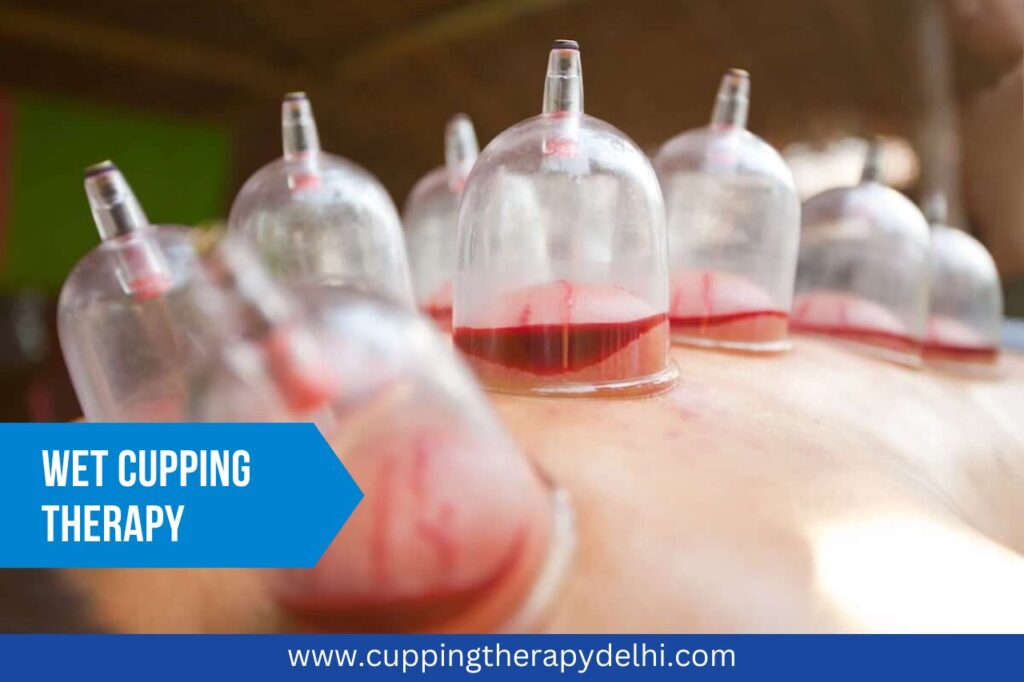
Wet cupping involves controlled skin punctures and therefore requires greater attention to hygiene and safety. It is not automatically suitable for acne. The type of cupping should be selected after considering the individual’s skin condition and treatment goals.
Can dry cupping be used for acne and skin wellness?
Dry cupping does not involve skin incisions and may be considered a gentler complementary option for selected individuals. Whether it is appropriate depends on the person’s skin condition and overall health.
Does Hijama permanently cure acne?
There is currently not enough evidence to describe Hijama as a permanent cure for acne. Acne can have multiple contributing factors, including hormones, genetics, skincare habits, medications, and inflammation. A personalized treatment approach is therefore important.
Can Hijama be combined with acne treatment?
In some cases, cupping may be considered alongside conventional acne care, but it should be planned carefully. Inform your healthcare provider or practitioner about any acne medications, topical products, procedures, or other treatments you are using.
Where can I get Hijama for acne in Delhi?
People looking for Hijama or cupping therapy in Delhi can consult Cupping Therapy Delhi in Karol Bagh, New Delhi. Treatment suitability is assessed individually before selecting the appropriate cupping approach.
Who provides Hijama therapy in Karol Bagh?
Dr. Izharul Hasan provides Hijama and cupping therapy services at Cupping Therapy Delhi in Karol Bagh, New Delhi. A consultation can help determine whether Hijama is appropriate for your particular skin and wellness concerns.
What should I expect during a Hijama consultation for acne?
The practitioner will first assess your skin condition, acne pattern, medical history, and treatment goals. Based on this assessment, they can explain whether Hijama is appropriate, which technique may be suitable, and what realistic results and aftercare to expect.
Address: Block 57, DB Gupta Market, Karol Bagh, New Delhi 110005
Phone: +91-8287833547
Discover more about our services and book your appointment via our website.