

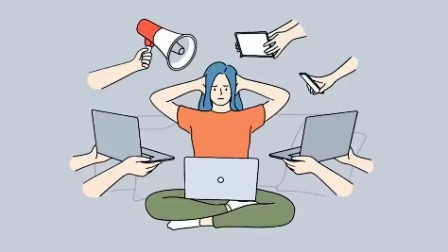
Modern life can be demanding.
Additionally, work pressure, screen time, and multitasking strain the body and mind.
Irregular routines and insufficient rest worsen it.
Many people experience periods of stress.
They also suffer muscle tension, poor sleep, headaches, fatigue, or difficulty relaxing.
This is relevant to Cupping Therapy for Stress.
When these concerns become persistent, appropriate medical or mental-health evaluation is important. Alongside evidence-based care, some people explore complementary approaches such as cupping therapy (Hijama) for relaxation, muscular tension, and general wellbeing.
But can cupping therapy actually help with mental health?
Cupping therapy should not be considered a treatment or cure for depression, anxiety disorders, insomnia, or other mental-health conditions. However, it may be used as a complementary therapy for relaxation, muscle tension, and certain pain-related complaints that can affect comfort and wellbeing.
At Cupping Therapy Delhi, Dr. Izharul Hasan provides individualized cupping therapy in Karol Bagh, New Delhi, with attention to the person’s symptoms, health history, suitability for treatment, and overall treatment goals.
What Is Cupping Therapy?
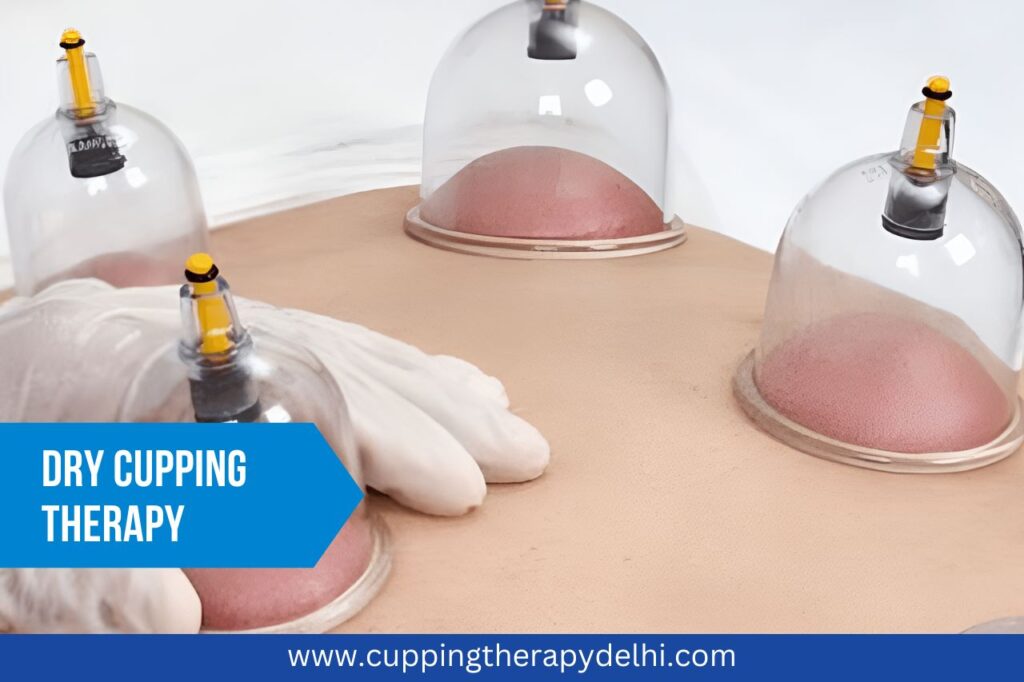
Cupping therapy is a traditional therapeutic practice in which specially designed cups are placed on selected areas of the body to create suction.
Different forms of cupping may be used depending on the individual’s needs, including:
- Dry cupping
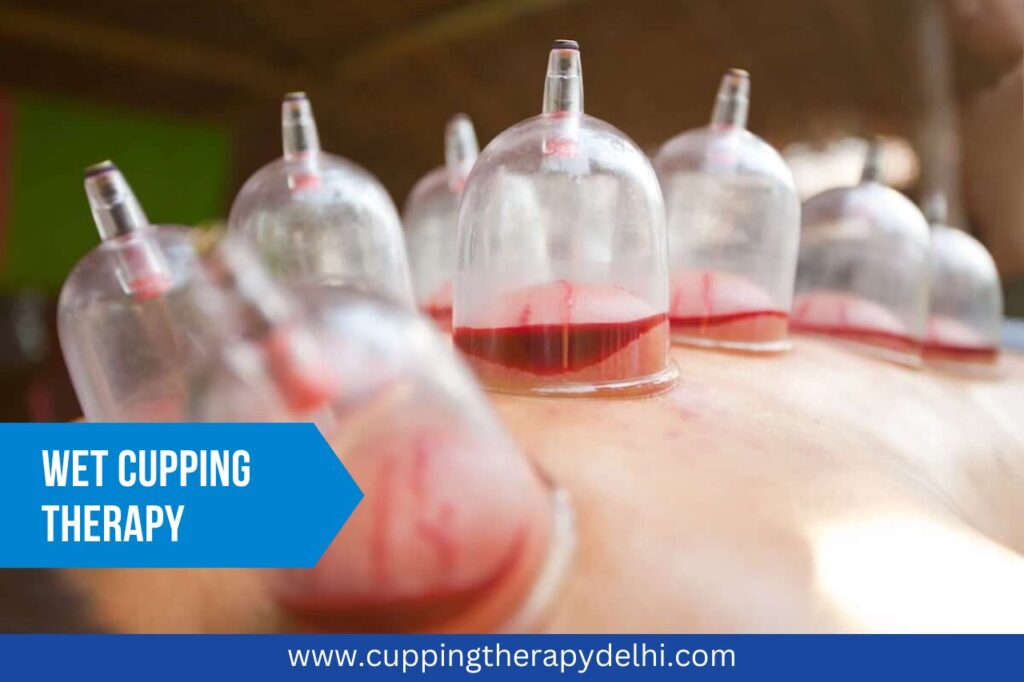
- Wet cupping (Hijama)
- Moving or gliding cupping
- Fire cupping
- Localized therapeutic cupping
The choice of technique, treatment area, and intensity should be based on an appropriate assessment rather than applying the same procedure to everyone.
Cupping is generally discussed as a complementary therapy, meaning that it may be used alongside appropriate medical care rather than replacing diagnosis, medication, psychotherapy, or other recommended treatment.
Can Cupping Therapy Help With Mental Health?
Short answer: Cupping Therapy for Stress may help some people feel relaxed.
It may be useful as a complementary approach for muscular tension, discomfort, and general wellbeing.
However, current evidence does not establish cupping as a primary treatment for mental-health disorders.
Additionally, stress and mental wellbeing are influenced by many factors, including sleep, activity, workload, relationships, medical conditions, and lifestyle.
Moreover, Cupping Therapy for Stress can complement other factors in supporting overall wellbeing.
For this reason, cupping should not be presented as a standalone treatment for anxiety, depression, or other psychiatric conditions.
Instead, it may be considered as one part of a broader approach to wellbeing when it is appropriate for the individual.
A simple way to understand it
Stress or poor sleep → muscle tension and physical discomfort → reduced relaxation → further difficulty resting
For some people, addressing physical tension and creating time for relaxation may contribute to a greater sense of wellbeing. Cupping may be considered as one complementary option within that broader approach.
How Stress Can Affect the Body
Stress is not purely a psychological experience. It can also be associated with physical symptoms.
People experiencing prolonged stress may notice:
- Muscle tightness
- Neck and shoulder discomfort
- Headaches
- Fatigue
- Difficulty relaxing
- Poor sleep
- Irritability
- Reduced concentration
- Changes in appetite
- General feelings of physical tension
Not everyone experiences stress in the same way.
If symptoms are persistent, severe, or interfering with daily life, professional evaluation is more appropriate than relying only on complementary therapies.
The Connection Between Sleep, Stress and Wellbeing
Sleep plays an important role in physical and psychological wellbeing.
Poor sleep can make it more difficult to manage everyday stress, while stress and worry can make it harder to relax at night. This can create a cycle:
Stress → difficulty relaxing → poor sleep → daytime fatigue → increased difficulty managing stress
Improving sleep therefore involves more than finding a single therapy.
A healthy sleep routine, regular physical activity, appropriate management of stress, reduced late-night screen exposure, and evaluation of underlying medical or psychological problems can all be important.
Some people may also choose complementary therapies such as massage, relaxation practices, yoga, acupuncture, or cupping as part of their personal wellness routine.
How Might Cupping Support Relaxation?
One reason people seek cupping therapy is the feeling of physical relaxation following a session.
Cupping creates localized suction on the skin and underlying tissues. Depending on the technique and treatment area, people may experience a temporary sensation of pressure, warmth, stretching, or relaxation.
When muscular tension or physical discomfort is contributing to difficulty relaxing, addressing those physical symptoms may help a person feel more comfortable.
However, individual responses vary.
Cupping should therefore be viewed as a complementary approach to relaxation and physical wellbeing, rather than a medically proven treatment for a mental-health disorder.
Cupping Therapy for Muscle Tension and Physical Discomfort
Stress can sometimes be accompanied by tightness in areas such as the:
- Neck
- Shoulders
- Upper back
- Lower back
- Legs
Cupping therapy is commonly used as a complementary approach for certain muscular and pain-related complaints.
For example, someone who spends long hours at a desk may develop neck and shoulder tightness. If physical discomfort is making relaxation difficult, addressing that discomfort may contribute to an overall sense of wellbeing.
For persistent or unexplained pain, however, the underlying cause should be evaluated rather than assuming that cupping is appropriate.
Related service: https://cuppingtherapydelhi.com/comprehensive-therapy-solutions/
Can Cupping Therapy Improve Sleep?
This is one of the common questions people ask.
Cupping therapy should not be promoted as a guaranteed treatment for insomnia. However, some people seek complementary therapies because they find the treatment relaxing or because they are experiencing muscular tension or discomfort that makes resting difficult.
If poor sleep is frequent or persistent, it is important to consider possible causes such as:
- Stress or anxiety
- Poor sleep habits
- Chronic pain
- Medication effects
- Sleep apnea
- Other medical conditions
- Irregular work schedules
- Excessive caffeine or screen exposure
A healthcare professional can help identify the appropriate approach.
Cupping may be considered as a complementary therapy when it is clinically appropriate, but it should not replace evaluation or treatment of an underlying sleep disorder.
Where Can I Find Cupping Therapy in Karol Bagh?
If you are looking for cupping therapy in Karol Bagh, New Delhi, Cupping Therapy Delhi provides Hijama and cupping services in the Karol Bagh area.
Treatment is selected according to the individual’s concerns, health history, suitability, and goals.
Commonly requested services may include:
- Dry Cupping
- Wet Cupping / Hijama
- Fire Cupping
- Gliding Cupping
- Cupping for selected pain and muscular complaints
- Complementary wellness-focused cupping
A consultation before treatment can help determine whether cupping is suitable.
Who Provides Hijama Therapy in Delhi?
Dr. Izharul Hasan provides Hijama and cupping therapy services in Karol Bagh, New Delhi.
The approach focuses on individualized assessment rather than using the same treatment protocol for every person.
Depending on the complaint, a consultation may include discussion of:
- Current symptoms
- Previous medical history
- Existing treatments or medications
- Treatment goals
- Possible contraindications
- Appropriate cupping technique
- Areas that may or may not be suitable for treatment
This assessment is particularly important when someone has an existing medical condition or is already receiving treatment from another healthcare professional.
Cupping Therapy and the Mind-Body Connection
Mental and physical wellbeing are closely connected.
For example, a person experiencing prolonged stress may develop physical tension. Someone experiencing chronic discomfort may find it more difficult to relax or sleep. Poor sleep can then affect energy, mood, and concentration.
This does not mean that every physical symptom is caused by stress or that cupping can treat a psychological condition.
Instead, it highlights why a whole-person approach can sometimes be useful.
Cupping may be one complementary component of such an approach, particularly when the person’s main concerns involve muscular tension, physical discomfort, or relaxation.
Is Cupping Therapy a Treatment for Anxiety or Depression?
No. Cupping therapy should not be considered a replacement for professional treatment of anxiety, depression, or other mental-health disorders.
If you are experiencing persistent sadness, excessive worry, panic attacks, severe sleep disturbance, loss of interest in normal activities, significant changes in appetite, or difficulty functioning in everyday life, seek appropriate professional help.
Depending on the situation, treatment may include psychotherapy, lifestyle interventions, medication, or other evidence-based approaches.
Cupping can only be considered a complementary therapy when appropriate and should never delay necessary medical or psychological care.
What Happens During a Cupping Therapy Session?
The exact session depends on the type of cupping selected.
1. Consultation and assessment
Before treatment, the practitioner discusses your concerns and relevant health history.
2. Treatment planning
The practitioner determines whether cupping is appropriate and selects the technique and treatment areas.
3. Cupping procedure
Cups are applied to selected areas using an appropriate technique.
Depending on the type of cupping, suction may be maintained for a period of time or the cups may be moved across the skin.
4. Post-treatment guidance
You may receive instructions regarding hydration, rest, skin care, and what to expect after treatment.
With wet cupping/Hijama, additional infection-control and wound-care precautions are necessary.
Is Cupping Therapy Safe?
Cupping can cause temporary marks, bruising, skin sensitivity, or mild soreness. Wet cupping has additional risks because the skin is broken and therefore requires appropriate hygiene, sterile equipment, and proper aftercare.
Cupping is not suitable for everyone.
Before treatment, inform your practitioner if you have relevant medical conditions, take medications that affect bleeding, have a bleeding disorder, are pregnant, have significant skin problems in the proposed treatment area, or have another condition that may affect treatment suitability.
A proper assessment helps reduce avoidable risks.
Who Should Avoid or Seek Medical Advice Before Cupping?
Cupping should be approached cautiously in certain situations.
Medical advice or individual assessment may be particularly important for people with:
- Bleeding disorders
- Certain blood-thinning medications
- Significant anemia
- Active skin infection
- Open wounds
- Uncontrolled medical conditions
- Severe or unexplained symptoms
- Conditions affecting healing
- Pregnancy, depending on the treatment area and technique
This is not an exhaustive list.
If you have a medical condition or are taking regular medication, discuss your situation with an appropriately qualified healthcare professional before undergoing treatment.
Cupping Therapy and Other Ways to Manage Stress
Cupping should not be the only strategy for maintaining mental wellbeing.
A broader lifestyle approach can include:
Regular Physical Activity
Walking, strength training, stretching, yoga, or other enjoyable physical activities can support general physical and psychological wellbeing.
Healthy Sleep Habits
Try to maintain a consistent sleep schedule and create a relaxing bedtime routine.
Breathing and Relaxation Exercises
Slow breathing, mindfulness, meditation, and relaxation exercises may help some people manage everyday stress.
Balanced Nutrition
A varied diet containing vegetables, fruits, whole grains, adequate protein, healthy fats, and sufficient fluids supports overall health.
Social Connection
Maintaining supportive relationships with family, friends, and trusted people can be valuable for emotional wellbeing.
Managing Screen Time
Excessive screen use, particularly late at night, can interfere with relaxation and sleep for some people.
Professional Support
If stress, anxiety, depression, or sleep problems are persistent or affecting daily functioning, professional evaluation should be considered.
Cupping Therapy as Part of a Holistic Wellness Approach
A holistic approach does not mean replacing modern medical care with traditional therapies.
Instead, it means considering different aspects of a person’s wellbeing while maintaining appropriate medical standards.
Depending on the individual, a wellness plan may include:
Lifestyle + Sleep + Physical Activity + Stress Management + Appropriate Medical Care + Complementary Therapies
Cupping or Hijama may have a place within this broader approach when it is suitable for the individual.
Frequently Asked Questions About Cupping Therapy and Mental Wellbeing
Can cupping therapy reduce stress?
Cupping may help some people feel relaxed and may be useful as a complementary approach for muscular tension and physical discomfort. However, it should not be considered a proven standalone treatment for chronic stress or anxiety disorders.
Can I use cupping therapy for anxiety?
Cupping should not replace professional assessment or evidence-based treatment for anxiety. If you are experiencing persistent or severe anxiety, consult an appropriate healthcare professional.
Can cupping therapy help me sleep better?
Some people find complementary therapies relaxing, and addressing physical tension or discomfort may help them feel more comfortable at bedtime. However, cupping is not a guaranteed treatment for insomnia, and persistent sleep problems should be evaluated.
Is Hijama the same as cupping therapy?
Hijama generally refers to wet cupping, in which controlled skin pricks are used along with suction. Cupping is a broader term that includes dry and wet techniques.
Where can I get Hijama therapy in Delhi?
Cupping Therapy Delhi provides Hijama and cupping therapy services in Karol Bagh, New Delhi, subject to individual assessment and treatment suitability.
Is cupping therapy suitable for everyone?
No. Suitability depends on factors such as health history, medications, skin condition, bleeding risk, pregnancy, and the proposed treatment area. A consultation is recommended before treatment.
Can cupping therapy replace psychiatric treatment?
No. Cupping should not replace psychotherapy, psychiatric care, prescribed medication, or emergency medical care.
Can cupping be combined with acupuncture?
Cupping and acupuncture are both used as complementary therapies, and some practitioners may incorporate them into an individualized treatment approach. Whether combining them is appropriate depends on the person’s condition and treatment goals.
Related service: https://cuppingtherapydelhi.com/services/acupuncture/
When Should You Seek Professional Mental-Health Support?
Complementary therapies can be part of a wellness routine, but certain symptoms require proper professional attention.
Seek professional help if you experience:
- Persistent sadness or hopelessness
- Severe or ongoing anxiety
- Recurrent panic attacks
- Significant sleep disturbance
- Major changes in appetite or daily functioning
- Difficulty concentrating that interferes with normal activities
- Loss of interest in activities you previously enjoyed
- Thoughts of self-harm or suicide
In such situations, please seek appropriate mental-health or emergency support rather than relying on cupping or another complementary therapy alone.
Why Individualized Cupping Therapy Matters
There is no single cupping protocol that is appropriate for everyone.
At Cupping Therapy Delhi in Karol Bagh, New Delhi, the treatment approach can be individualized according to the person’s concerns, health history, treatment goals, and suitability.
The aim is not to make exaggerated promises about what cupping can do.
Instead, the focus is on providing an appropriate complementary therapy while recognizing when conventional medical evaluation or additional professional care is necessary.
Final Thoughts
Mental wellbeing is influenced by many interconnected factors, including sleep, physical health, stress, lifestyle, relationships, and psychological wellbeing.
Cupping therapy may be considered a complementary approach to relaxation, muscular tension, certain pain-related complaints, and general wellbeing. Some people may find the experience relaxing, but cupping should not be promoted as a cure for anxiety, depression, insomnia, or other mental-health disorders.
A balanced approach combines healthy lifestyle habits, appropriate medical or psychological care, and complementary therapies when they are suitable.
If you are considering cupping therapy in Karol Bagh, Delhi, a consultation can help determine whether dry cupping, wet cupping/Hijama, or another approach is appropriate for your individual needs.
Looking for Cupping Therapy in Delhi?
For information about Hijama and cupping therapy in Karol Bagh, New Delhi, you can contact:
Cupping Therapy Delhi
Dr. Izharul Hasan
DB Gupta Market, Karol Bagh, New Delhi
Phone: 8287833547
Before starting any therapy, discuss your medical history, medications, and existing health conditions with the practitioner so that treatment can be planned appropriately.
Disclaimer: This article is intended for general educational purposes and does not replace diagnosis, medical advice, psychotherapy, psychiatric care, or prescribed treatment. Cupping therapy is a complementary therapy and may not be appropriate for everyone.


Very Informative, and it works, after getting this cup therapy i noted improvementin mental health. Thaanks for valuable information
Good works. Love this one therapy.
I was skeptical at first, but after my first cupping session, I felt a weight lift off my shoulders. It’s amazing how something so simple can have such a profound effect on my anxiety levels. Highly recommend!
After struggling with mental fatigue for months, cupping therapy has been a game-changer for me. The relaxation I experience during sessions is unlike anything else. I’m so grateful I found this!
The soothing effects of cupping therapy helped me manage my anxiety better than I expected. Each session leaves me feeling balanced and calm. It’s an experience I look forward to.
Cupping therapy not only helped with my physical tension but also improved my overall mental clarity. I feel more focused and less overwhelmed. Thank you for introducing me to this therapy!
I came across cupping therapy while searching for natural ways to cope with my stress. It has truly made a difference in my life. The warmth and comfort during the session are incredible!
I have tried various therapies, but cupping stands out. It’s not just a physical treatment; it feels like a holistic approach to my mental well-being. I highly recommend it to anyone in need!
Cupping therapy has been a revelation for me! I felt immediate relief from anxiety, and the practitioners really care about your well-being. It’s a must-try for anyone seeking peace of mind.
Ihave been using cupping therapy for a few months now, and the impact on my mental health is remarkable. It’s helped me manage stress and sleep better. I can’t imagine my routine without it!