


The thyroid gland helps regulate metabolism, energy, temperature, and heart rate.
When it does not function properly, it affects health in many ways.
These effects include changes in body weight, hair, skin, mood, energy, menstrual health, and muscle function.
Cupping Therapy for Thyroid is sometimes considered as a complementary approach.
Hypothyroidism, in particular, may be associated with weight gain or difficulty managing weight, fatigue, dry skin, hair changes, feeling unusually cold, constipation, muscle discomfort, and changes in mood.
Thyroid-related symptoms can sometimes overlap with other health conditions, which is why proper evaluation is important.
At the same time, many people explore complementary approaches such as cupping therapy (Hijama) as part of a broader wellness and supportive-care plan. Cupping may be considered for selected concerns such as muscular tension, physical discomfort, relaxation, and general wellbeing.
At Cupping Therapy Delhi, Dr. Izharul Hasan provides individualized cupping and Hijama therapy in Karol Bagh, New Delhi, according to the person’s health concerns, medical history, treatment goals, and suitability.
What Does the Thyroid Gland Do?
The thyroid is a small butterfly-shaped gland located at the front of the neck. It produces thyroid hormones that influence several important processes throughout the body.
Thyroid hormones are involved in:
- Metabolism and energy use
- Body temperature regulation
- Heart rate
- Digestion
- Muscle function
- Brain and nervous-system function
- Growth and development
When the thyroid produces insufficient hormones, the condition is known as hypothyroidism.
When the thyroid produces excessive hormones, it is known as hyperthyroidism.
Because thyroid hormones influence many body systems, thyroid dysfunction can produce a wide range of symptoms.
Thyroid Problems and Weight Gain
How Hypothyroidism Can Affect Weight
Weight gain or difficulty losing weight is a common concern among people with hypothyroidism.
When thyroid hormone levels are low, changes in metabolism and energy expenditure can contribute to weight changes. However, thyroid dysfunction is not the only possible reason for weight gain.
Other factors can include:
- Dietary habits
- Physical activity
- Sleep quality
- Age
- Genetics
- Medications
- Insulin resistance
- Other hormonal conditions
- Stress and lifestyle
Therefore, unexplained or significant weight gain should be evaluated rather than automatically attributed to the thyroid.
Supporting Healthy Weight Management
A healthy approach to weight management may include:
- A balanced diet
- Adequate protein and fiber
- Regular physical activity
- Strength training
- Good sleep habits
- Stress management
- Appropriate thyroid evaluation and treatment
If hypothyroidism is diagnosed, following the treatment plan recommended by your healthcare professional is an important part of managing the condition.
Can Cupping Help With Weight Management?
Cupping may be included as a complementary wellness approach for people working toward better overall health and lifestyle habits.
It should not be considered a replacement for thyroid treatment, nutrition, physical activity, or medical weight-management strategies.
For individuals interested in cupping, treatment can be planned according to their overall health and specific concerns.
Thyroid Problems and Hair Loss
Hair changes are another concern frequently associated with thyroid disorders.
Hypothyroidism may be associated with:
- Increased hair shedding
- Hair thinning
- Dry or coarse hair
- Changes in hair texture
- Reduced hair growth
However, thyroid dysfunction is only one of many possible causes of hair loss.
Other contributing factors may include:
- Iron deficiency
- Nutritional deficiencies
- Stress
- Hormonal changes
- Androgenetic alopecia
- Alopecia areata
- Scalp conditions
- Recent illness
- Certain medications
For this reason, persistent or significant hair loss should be evaluated to identify the underlying cause.
Can Cupping Support Hair and Scalp Wellness?
Cupping may be considered as a complementary therapy within an overall hair and wellness approach.
Some individuals seek complementary therapies to support relaxation and general physical wellbeing, particularly when stress or muscular tension is also present.
However, if hair loss is associated with an underlying thyroid disorder, appropriate thyroid evaluation and management remain important.
Related service: https://cuppingtherapydelhi.com/comprehensive-therapy-solutions/womens-health/
Thyroid and Skin Problems
The skin can also be affected by thyroid dysfunction.
People with hypothyroidism may experience:
- Dry skin
- Rough skin texture
- Itching
- Reduced sweating
- Changes in skin appearance
- Increased sensitivity or discomfort
These symptoms can vary from person to person.
Dry or itchy skin is also common in many other conditions, so skin symptoms alone cannot confirm a thyroid problem.
Supporting Skin Health
General skin-care measures may include:
- Using a gentle cleanser
- Applying a suitable moisturizer regularly
- Avoiding excessively hot showers
- Maintaining adequate hydration
- Protecting the skin from excessive sun exposure
- Managing any underlying medical condition appropriately
Can Cupping Help With Skin-Related Wellness?
Cupping may be considered as a complementary wellness therapy for selected individuals, particularly when the focus is relaxation and general wellbeing.
It should not be presented as a replacement treatment for thyroid-related skin disease or other dermatological conditions.
If you have persistent itching, rashes, pigmentation, swelling, or other unexplained skin changes, a proper dermatological evaluation is recommended.
Thyroid and PCOS: Understanding the Relationship
PCOS (polycystic ovary syndrome) is a common hormonal and metabolic condition that can affect menstrual cycles, ovulation, androgen levels, skin, hair, and metabolic health.
Thyroid disorders and PCOS are separate conditions, although they can occur in the same person and may have some overlapping symptoms.
For example, both may sometimes be associated with:
- Weight changes
- Menstrual irregularities
- Hair changes
- Fatigue
- Mood-related symptoms
Because of this overlap, proper evaluation is important.
A thyroid disorder should not automatically be assumed to be the cause of PCOS, and PCOS should not automatically be attributed to thyroid dysfunction.
Managing PCOS
PCOS management depends on the individual’s symptoms, health goals, metabolic profile, and reproductive plans.
A personalized approach may include:
- Balanced nutrition
- Regular physical activity
- Weight management where appropriate
- Management of menstrual irregularities
- Management of insulin resistance when present
- Treatment of acne or unwanted hair growth
- Fertility-related care when required
- Regular medical follow-up
Can Cupping Be Used Alongside PCOS Management?
Yes, cupping may be considered as a complementary wellness approach for women with PCOS, particularly when the focus includes relaxation, stress management, muscular tension, or general physical wellbeing.
Some patients may choose complementary therapies alongside their existing lifestyle and medical care.
The appropriate approach depends on the individual’s health history and treatment goals.
Cupping should complement—not replace—appropriate gynecological, medical, nutritional, or lifestyle management.
Thyroid Problems and Mental Wellbeing
Thyroid hormones can influence energy, concentration, mood, and overall wellbeing.
Some people with hypothyroidism may experience:
- Fatigue
- Low energy
- Difficulty concentrating
- Low mood
- Reduced motivation
- Mental tiredness
These symptoms can overlap with stress, poor sleep, anxiety, depression, and other conditions.
A balanced approach to wellbeing may include:
- Adequate sleep
- Regular physical activity
- Healthy nutrition
- Relaxation practices
- Social support
- Appropriate medical evaluation
- Professional mental-health support when needed
Can Cupping Support Relaxation and Stress Management?
Cupping may be considered as a complementary approach to relaxation and physical wellbeing.
People experiencing muscular tension or physical discomfort may find a cupping session relaxing, and improving physical comfort can contribute to an overall sense of wellbeing.
However, persistent anxiety, depression, severe stress, or significant changes in daily functioning should receive appropriate professional attention.
Thyroid Disorders and Muscle or Joint Discomfort
Some people with hypothyroidism may experience:
- Muscle aches
- Muscle stiffness
- Cramps
- Joint discomfort
- General physical tiredness
These symptoms can affect comfort and everyday activities.
The underlying thyroid condition should be appropriately assessed and managed.
For selected muscular discomfort, complementary therapies may include:
- Cupping therapy
- Massage
- Physiotherapy
- Stretching
- Exercise-based rehabilitation
Can Cupping Help With Muscle Tension?
Cupping may be used as a complementary approach for selected muscular tension, stiffness, and pain-related complaints.
The technique and treatment area can be individualized according to the person’s symptoms and suitability.
Related service: https://cuppingtherapydelhi.com/comprehensive-therapy-solutions/musculoskeletal-disorders/
Hypothyroidism and Carpal Tunnel Syndrome
Carpal tunnel syndrome occurs when the median nerve is compressed at the wrist.
It may cause:
- Numbness
- Tingling
- Burning sensations
- Wrist or hand discomfort
- Weakness
- Difficulty gripping objects
Hypothyroidism has been associated with an increased risk of carpal tunnel syndrome.
However, similar symptoms can also occur due to other conditions, including diabetes, repetitive wrist use, pregnancy, inflammatory conditions, and other nerve-related problems.
Can Cupping Support Carpal Tunnel Symptoms?
Cupping may be considered as a complementary approach for selected discomfort and muscular tension around the wrist and forearm.
If symptoms such as persistent numbness, tingling, or weakness are present, appropriate evaluation is important to understand the underlying nerve problem.
Cupping can be considered alongside an appropriate treatment plan when suitable.
Can Cupping Therapy Support People With Thyroid-Related Health Concerns?
Cupping therapy is a traditional complementary therapy that may be incorporated into an individual’s broader wellness plan.
Depending on the person’s concerns, cupping may be considered for:
- Muscular tension
- Physical discomfort
- Selected pain-related complaints
- Relaxation
- General wellbeing
- Stress-related physical tension
The important point is that cupping is individualized.
A person with thyroid disease may have different health concerns from another person with the same diagnosis. Therefore, the treatment approach should be based on the individual’s symptoms, health history, medications, and goals.
Types of Cupping Therapy
Different cupping techniques may be selected depending on the individual’s needs.
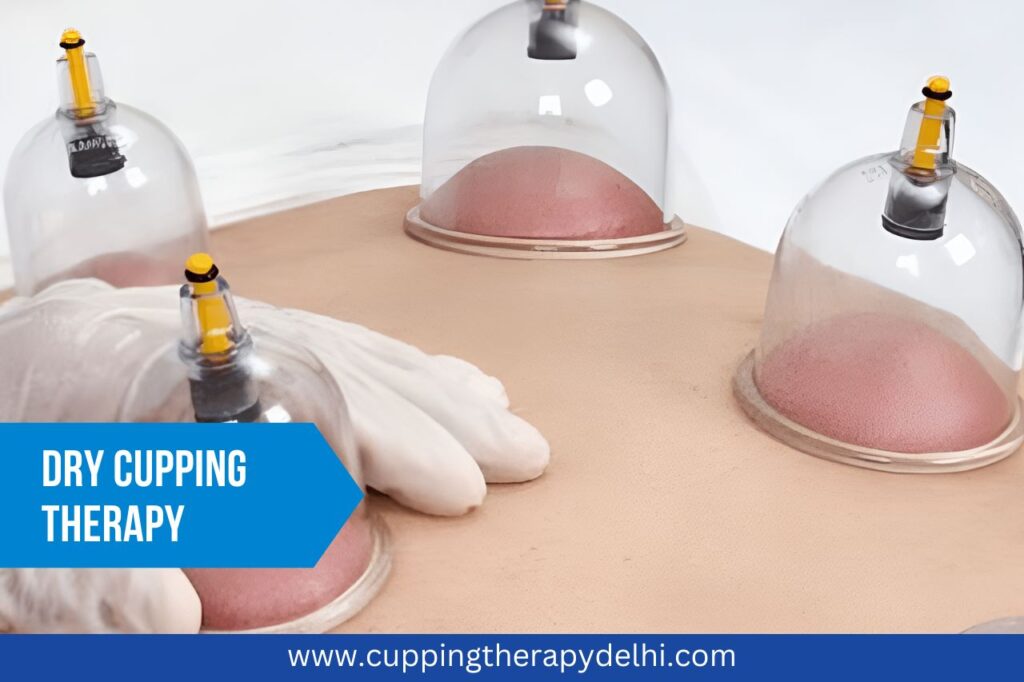
Dry Cupping
Dry cupping uses suction without intentionally breaking the skin. It is commonly used for localized muscular tension and physical relaxation.
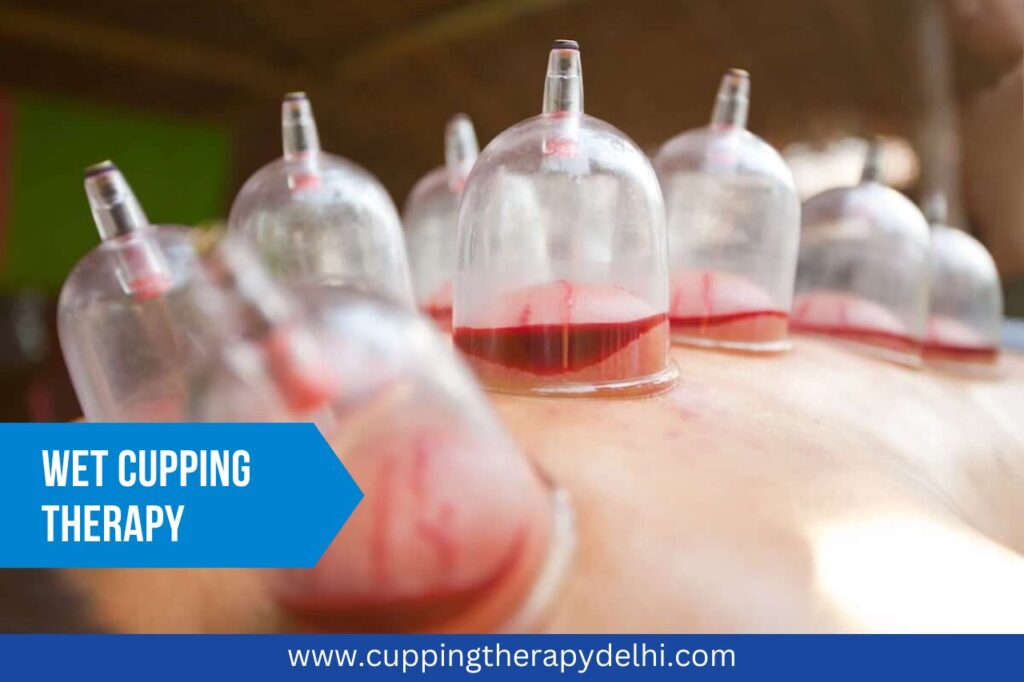
Wet Cupping / Hijama
Wet cupping, commonly known as Hijama, involves controlled skin pricks followed by suction. Because the skin is broken, appropriate hygiene, sterile equipment, infection-control practices, and aftercare are particularly important.
Gliding Cupping
Gliding cupping involves moving the cups across the skin using an appropriate lubricant. It may be used when a broader area of muscular tension is being addressed.
Fire Cupping
Fire cupping uses heat to create the vacuum inside the cup and should be performed by a properly trained practitioner using appropriate precautions.
The choice of technique should be based on the person’s health status, symptoms, treatment goals, and suitability.
What Should Thyroid Patients Tell the Practitioner Before Cupping?
If you have a thyroid disorder and are considering cupping therapy, tell the practitioner about your health condition before treatment.
Important information may include:
- Your thyroid diagnosis
- Current symptoms
- Thyroid medications
- Other medications
- Other medical conditions
- Previous procedures
- Skin conditions
- Bleeding-related problems
- Your main reason for seeking cupping
This information helps the practitioner understand your situation and determine whether the selected cupping technique is appropriate.
Where Can I Find Cupping Therapy in Karol Bagh?
If you are searching for cupping therapy in Karol Bagh, New Delhi, Cupping Therapy Delhi provides cupping and Hijama services in DB Gupta Market, Karol Bagh.
Dr. Izharul Hasan provides individualized consultation and treatment planning based on the person’s health concerns and treatment goals.
Depending on suitability, services may include:
- Dry Cupping
- Wet Cupping / Hijama
- Gliding Cupping
- Fire Cupping
- Cupping for selected pain and muscular complaints
- Complementary wellness-focused cupping
Related service: https://cuppingtherapydelhi.com/
Who Provides Hijama Therapy in Delhi?
If you are looking for Hijama therapy in Delhi, Dr. Izharul Hasan provides Hijama and cupping therapy services in Karol Bagh, New Delhi.
A consultation allows the practitioner to understand your health concerns, medical history, current treatments, and goals before deciding on an appropriate approach.
This individualized approach is particularly useful for people who have existing medical conditions such as thyroid disorders, PCOS, diabetes, anemia, or other chronic health concerns.
Frequently Asked Questions
Can cupping therapy help people with hypothyroidism?
Cupping therapy may be considered a complementary wellness approach for people with hypothyroidism, particularly when they experience concerns such as muscular tension, physical discomfort, stress-related tension, or difficulty relaxing. Treatment can be individualized according to the person’s health history and goals while continuing appropriate thyroid care.
Can cupping therapy support weight management in thyroid problems?
Cupping may be included as part of a broader wellness and lifestyle approach for people working toward better overall health and weight management. A balanced diet, regular physical activity, adequate sleep, and appropriate thyroid management remain important parts of the overall approach.
Is Hijama helpful for people with thyroid-related health concerns?
Hijama may be considered as a complementary therapy for selected physical concerns, including muscular tension, physical discomfort, relaxation, and general wellbeing. Treatment can be individualized after considering the person’s health history, medications, and suitability for wet cupping.
Can cupping therapy support thyroid-related hair concerns?
Thyroid-related hair changes can have several possible causes. Cupping may be considered as a complementary therapy within an overall hair and wellness approach, especially when stress, physical tension, or other associated concerns are present. Persistent hair loss should also be assessed to identify the factors contributing to it.
Related service: [Add internal link to your Hair Fall Treatment page]
Can cupping therapy be used alongside PCOS management?
Yes. Cupping may be considered as a complementary wellness approach for women with PCOS, particularly when the focus includes relaxation, stress management, physical wellbeing, or muscular tension. It can be incorporated alongside an individualized lifestyle and medical-care plan when appropriate.
Can cupping support people experiencing hormonal-related symptoms?
Cupping may be incorporated into a broader wellness plan for people experiencing physical symptoms such as muscular tension, discomfort, or stress. Since hormonal symptoms can have different causes, an individualized consultation is useful for deciding whether cupping is appropriate.
Can thyroid problems affect hair and skin?
Yes. Thyroid disorders, particularly hypothyroidism, can be associated with hair changes and dry skin. Addressing the underlying thyroid condition is an important part of managing these concerns, while appropriate skin and hair care can provide additional support.
Can cupping therapy help with muscle discomfort related to thyroid problems?
Cupping may be used as a complementary approach for selected muscle tension, stiffness, and discomfort. Treatment can be customized according to the person’s symptoms and overall health.
Related service: [Add internal link to your Cupping for Pain Management page]
Can cupping therapy support people with carpal tunnel symptoms?
Cupping may be considered as a complementary approach for selected discomfort and muscular tension around the wrist and forearm. If persistent numbness, tingling, or weakness is present, appropriate assessment should be undertaken to understand the underlying nerve problem.
Can I have cupping therapy while taking thyroid medication?
People receiving thyroid treatment may explore complementary therapies, but suitability depends on their overall health, medications, treatment area, and type of cupping. During consultation, inform the practitioner about your thyroid diagnosis and all medications so that the treatment can be planned appropriately.
Which type of cupping is suitable for thyroid-related concerns?
There is no single technique that is suitable for every person. Depending on the individual’s concerns and health history, options may include dry cupping, wet cupping/Hijama, gliding cupping, or other complementary techniques. The appropriate approach can be discussed during consultation.
Where can I find cupping therapy in Karol Bagh?
If you are looking for cupping therapy in Karol Bagh, New Delhi, Cupping Therapy Delhi provides individualized cupping and Hijama services at DB Gupta Market, Karol Bagh. Dr. Izharul Hasan can assess your concerns and discuss an appropriate complementary approach.
Who provides Hijama therapy in Delhi?
Dr. Izharul Hasan provides Hijama and cupping therapy in Karol Bagh, New Delhi. Treatment is individualized according to the person’s health concerns, treatment goals, and suitability for the selected technique.
Can cupping therapy be combined with other treatments?
Cupping may be incorporated into a broader wellness plan when appropriate. Depending on the individual’s needs, complementary approaches such as acupuncture, physiotherapy, lifestyle guidance, or other supportive therapies may also be considered.
Related service: https://cuppingtherapydelhi.com/services/acupuncture/
Thyroid Health Requires a Complete Approach
Managing thyroid health involves more than focusing on a single symptom.
A person with hypothyroidism may need to consider thyroid hormone levels, weight, nutrition, physical activity, sleep, hair and skin concerns, energy levels, and other associated symptoms.
Similarly, someone with PCOS may benefit from an individualized approach that considers menstrual health, metabolic health, nutrition, physical activity, skin and hair concerns, and reproductive goals.
Complementary therapies such as cupping may be incorporated into an overall wellness plan when appropriate.
The goal is to combine appropriate medical care, healthy lifestyle habits, individualized treatment, and supportive therapies according to the person’s needs.
A Personalized Approach to Cupping Therapy
Every person is different, even when they have the same health condition.
For this reason, cupping therapy should not follow a one-size-fits-all approach.
At Cupping Therapy Delhi in Karol Bagh, New Delhi, treatment planning may consider:
- Your primary concern
- Medical history
- Current medications
- Physical symptoms
- Treatment goals
- Previous therapies
- Suitability for different cupping techniques
The aim is to provide a personalized complementary therapy experience rather than using the same treatment for every patient.
Final Thoughts
Thyroid disorders can influence many aspects of health, including metabolism, weight, hair, skin, energy, mood, muscles, and sometimes nerve-related symptoms.
Hypothyroidism and PCOS are separate health conditions, but some of their symptoms may overlap. Proper evaluation and individualized management are therefore important.
Cupping therapy may be considered a complementary approach for selected muscular discomfort, physical tension, relaxation, pain-related complaints, and general wellbeing. For people with thyroid-related concerns, it can be incorporated into a broader wellness plan when appropriate.
If you are experiencing unexplained weight changes, persistent hair loss, skin changes, menstrual irregularities, muscle discomfort, or other ongoing symptoms, appropriate medical evaluation should remain an important part of your healthcare.
If you are interested in cupping therapy or Hijama in Delhi, a consultation can help determine which approach may be suitable for your individual health concerns.
Looking for Cupping Therapy in Delhi?
Cupping Therapy Delhi
Dr. Izharul Hasan
DB Gupta Market, Karol Bagh, New Delhi
Phone: 8287833547
You can contact the clinic to discuss your concerns and whether cupping therapy may be appropriate for you.
Medical Disclaimer: This article is intended for general educational purposes and does not replace diagnosis, medical advice, prescribed treatment, or specialist care. Cupping therapy is a complementary therapy and may not be appropriate for everyone.


Cupping therapy has become a crucial part of my self-care routine. I noticed a significant reduction in stress after just a few sessions. The practitioners are knowledgeable and supportive!
“I tried cupping for my chronic stress, and I was pleasantly surprised by the results. I felt relaxed and rejuvenated. It’s definitely worth a try if you’re looking for alternative therapy options!”