Pain, stiffness, and muscle weakness can affect everyday life. Sports injuries and difficulty moving make simple activities uncomfortable. These symptoms may limit daily tasks, reduce productivity, and lower overall well-being. Early care can prevent worsening and help you return to activities you enjoy.
Physiotherapy in Karol Bagh is a healthcare approach that focuses on improving movement. It uses individualized assessment and treatment to enhance strength, flexibility, balance, and function. A tailored plan may combine exercises, guidance, and gradual progression. Your clinician will monitor progress and adjust targets as you improve.
Physiotherapy may be useful for people recovering from injuries, managing musculoskeletal pain, improving mobility, or rebuilding strength after surgery or illness.
At Cupping Therapy Delhi, located in DB Gupta Market, Karol Bagh, New Delhi, physiotherapy is provided as part of a personalized approach to physical rehabilitation and pain management.
What Is Physiotherapy?
Physiotherapy is a healthcare discipline that uses assessment, therapeutic exercises, movement training, manual techniques, and other appropriate modalities to improve physical function.
A physiotherapist may assess:
- Pain and discomfort
- Joint movement
- Muscle strength
- Flexibility
- Balance and coordination
- Posture and movement patterns
- Functional limitations
Based on the assessment, a treatment plan can be developed according to the individual’s condition and goals.
The aim is not simply to reduce pain but also to help the person move better, regain strength, improve function, and return to daily activities safely.
What Conditions Can Physiotherapy Help With?
Physiotherapy can be useful for a wide range of musculoskeletal and physical-function problems.
Common examples include:
- Back and neck pain
- Shoulder pain and stiffness
- Knee pain
- Sports injuries
- Muscle strains
- Joint stiffness
- Arthritis-related mobility problems
- Post-operative rehabilitation
- Balance and mobility difficulties
- Certain nerve and movement-related conditions
The appropriate treatment depends on the underlying cause and severity of the problem.
How Can Physiotherapy Help With Pain?
One of the main reasons people seek physiotherapy is pain.
Pain can sometimes lead to reduced movement. Reduced movement can then contribute to stiffness, weakness, and difficulty performing everyday activities.
Physiotherapy aims to address factors contributing to the problem through appropriate exercises, movement strategies, manual techniques, and other supportive treatments.
For example, someone with knee pain may benefit from exercises designed to improve the strength and control of the muscles around the knee.
Similarly, someone with neck or back discomfort may benefit from a combination of movement exercises, posture education, strengthening, and mobility work.
Persistent, severe, unexplained, or worsening pain should be appropriately evaluated before beginning treatment.
Physiotherapy After an Injury
Injuries can affect muscles, ligaments, joints, and overall movement.
After an injury, people may experience:
- Pain
- Swelling
- Reduced range of motion
- Muscle weakness
- Stiffness
- Difficulty walking or using the affected body part
- Reduced confidence during movement
A structured physiotherapy program can help gradually restore movement and strength according to the stage of recovery.
The rehabilitation plan may be adjusted as the person improves.
Physiotherapy for Knee Pain
Knee pain is a common reason people seek physiotherapy.
Depending on the cause, physiotherapy may focus on:
- Improving knee mobility
- Strengthening surrounding muscles
- Improving balance
- Correcting movement patterns
- Increasing functional capacity
- Supporting gradual return to normal activities
Physiotherapy may be useful for selected cases of osteoarthritis, sports-related injuries, muscular weakness, and other musculoskeletal conditions.
Related service: https://cuppingtherapydelhi.com/services/physiotherapy/
Physiotherapy for Back and Neck Pain
Long periods of sitting, poor movement habits, muscular weakness, previous injuries, and other factors can contribute to back or neck discomfort.
A physiotherapy assessment may help identify movement limitations and areas of weakness.
Treatment may include:
- Therapeutic exercises
- Stretching
- Strengthening
- Mobility exercises
- Manual therapy
- Posture and ergonomic guidance
- Home exercises
The treatment plan should be individualized because not every type of back or neck pain requires the same approach.
Physiotherapy for Sports Injuries
Athletes and physically active individuals may experience injuries involving muscles, tendons, ligaments, or joints.
Physiotherapy can form an important part of rehabilitation by helping with:
Pain management → mobility → strength → balance → functional training → gradual return to activity
The goal is to restore physical function progressively rather than rushing back to intense activity.
Depending on the injury, rehabilitation may also include sport-specific exercises and movement training.
Physiotherapy Before and After Surgery
Physiotherapy can sometimes be used before and after surgery.
Before Surgery
Pre-operative physiotherapy may help an individual understand appropriate exercises and improve strength or mobility when suitable.
After Surgery
Post-operative rehabilitation may focus on:
- Restoring movement
- Improving strength
- Managing stiffness
- Regaining functional independence
- Gradually returning to normal activities
The exact rehabilitation plan depends on the type of surgery and the instructions provided by the treating surgical team.
What Happens During a Physiotherapy Session?
A physiotherapy session generally begins with an assessment of your symptoms and physical function.
The physiotherapist may discuss:
- Your main complaint
- How the problem started
- Pain and movement limitations
- Previous injuries
- Medical history
- Daily activities
- Treatment goals
The therapist may then assess movement, strength, flexibility, posture, balance, or other relevant factors.
Treatment can include:
- Exercise therapy
- Manual therapy
- Mobility exercises
- Strengthening exercises
- Stretching
- Electrical stimulation when appropriate
- Functional rehabilitation
- Home exercise guidance
The treatment plan may change as your condition improves.
Where Can I Find Physiotherapy in Karol Bagh?
If you are searching for physiotherapy in Karol Bagh, New Delhi, Cupping Therapy Delhi provides physiotherapy services at DB Gupta Market, Karol Bagh.
The approach focuses on understanding the patient’s condition and developing a treatment plan based on their physical limitations and goals.
Whether you are dealing with back pain, knee pain, sports injury, muscle stiffness, or recovery after an injury, an assessment can help determine the appropriate rehabilitation approach.
Related service: https://cuppingtherapydelhi.com/contact-us/
Who Provides Physiotherapy in Delhi?
If you are looking for physiotherapy in Delhi, Cupping Therapy Delhi in Karol Bagh provides physiotherapy and rehabilitation support for selected musculoskeletal and movement-related conditions.
The treatment approach is individualized according to the patient’s symptoms, functional limitations, medical history, and recovery goals.
Physiotherapy and Cupping Therapy
Some patients may also be interested in combining physiotherapy with complementary approaches such as cupping therapy.
These therapies have different roles.
Physiotherapy primarily focuses on movement, rehabilitation, strength, flexibility, and physical function.
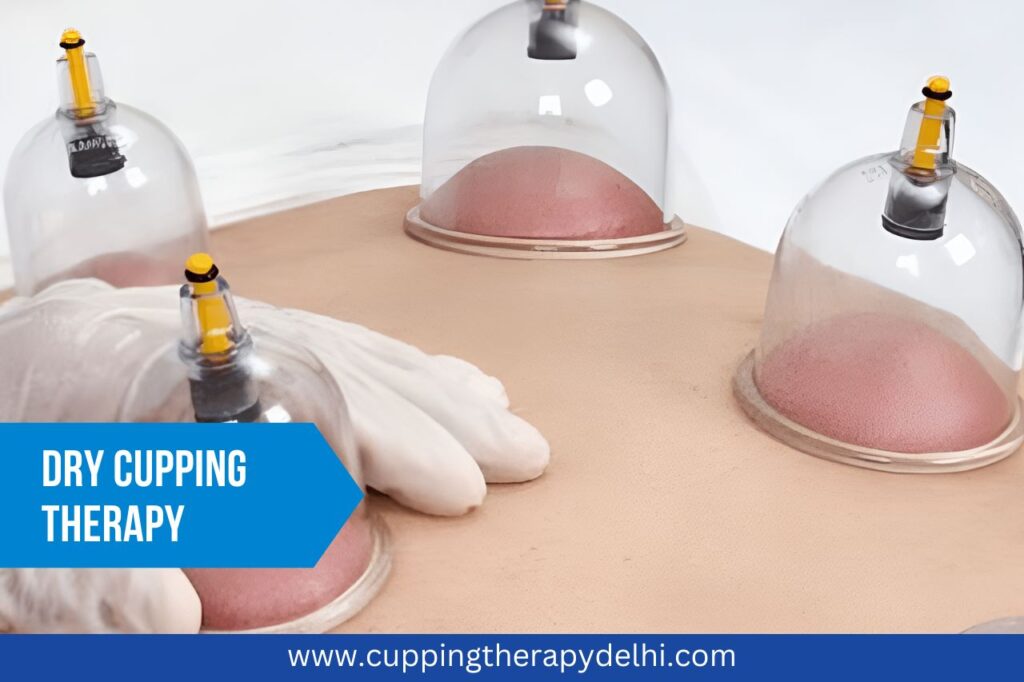
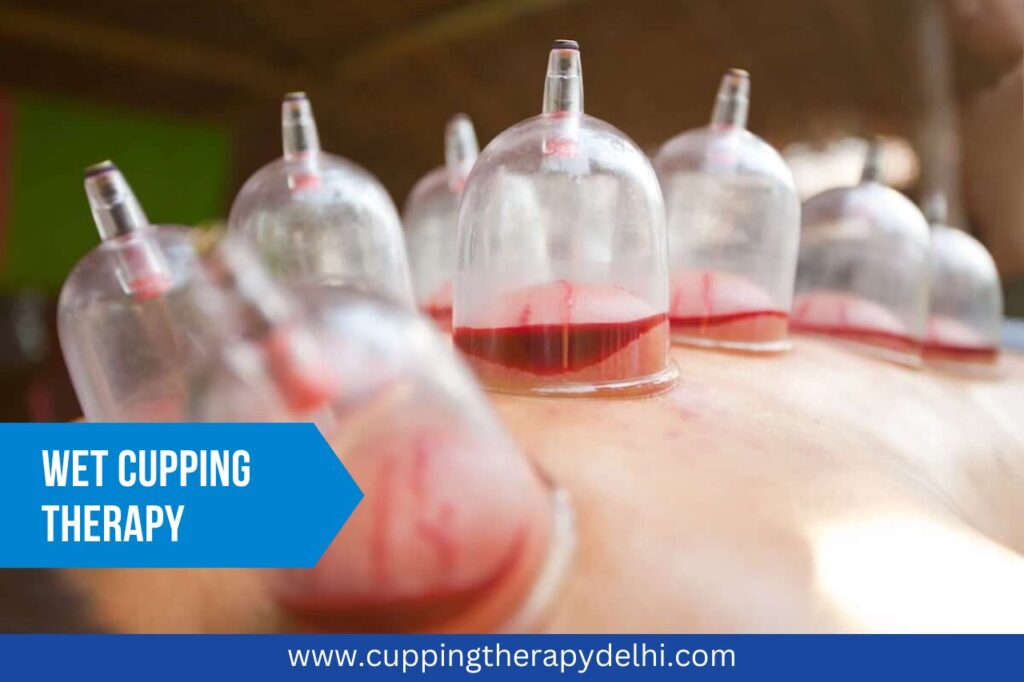
Cupping therapy may be considered as a complementary approach for selected muscular tension, discomfort, and relaxation.
If combining therapies, the treatment plan should be individualized according to the person’s condition and overall health.
Related service: https://cuppingtherapydelhi.com/services/dry-cupping/
Common Questions About Physiotherapy in Delhi
Where can I find physiotherapy in Karol Bagh?
Cupping Therapy Delhi provides physiotherapy services in DB Gupta Market, Karol Bagh, New Delhi, with treatment planned according to the patient’s condition, symptoms, mobility, and rehabilitation goals.
Who provides physiotherapy for knee pain in Delhi?
Physiotherapy for selected knee problems is available at Cupping Therapy Delhi in Karol Bagh. Treatment may focus on improving knee mobility, muscle strength, balance, and functional movement.
Where can I get physiotherapy for back pain in Delhi?
If you are looking for physiotherapy for back pain in Delhi, an assessment can help identify movement limitations, muscle weakness, posture-related factors, or other contributors to your symptoms. A personalized rehabilitation plan can then be developed.
Can physiotherapy help after a sports injury?
Yes. Physiotherapy can be an important part of sports-injury rehabilitation. Treatment may help gradually restore mobility, strength, balance, and functional movement before returning to normal or sporting activities.
What is the best physiotherapy treatment for muscle stiffness?
The appropriate treatment depends on the cause of the stiffness. Depending on the assessment, physiotherapy may include mobility exercises, stretching, strengthening, manual therapy, and a personalized home-exercise program.
Can physiotherapy and cupping therapy be used together?
In selected cases, physiotherapy and cupping therapy may be included in a broader treatment approach. Physiotherapy focuses primarily on movement, rehabilitation, strength, and physical function, while cupping may be considered a complementary approach for selected muscular tension and discomfort.
How long does physiotherapy treatment take?
The number of sessions varies depending on the condition, severity, duration of symptoms, response to treatment, and individual goals. Some people may need short-term rehabilitation, while others with chronic or complex conditions may require longer-term support.
Can physiotherapy help with shoulder stiffness?
Physiotherapy may help improve shoulder mobility and strength depending on the cause of the stiffness. A proper assessment helps determine which exercises and treatment techniques are appropriate.
Is physiotherapy suitable for older adults?
Physiotherapy can be useful for older adults who need support with strength, mobility, balance, flexibility, or recovery from injury. Exercises can be adapted to the person’s abilities and physical condition.
Can physiotherapy help with chronic pain?
Physiotherapy may help selected patients manage chronic musculoskeletal pain by improving movement, strength, flexibility, physical function, and confidence with activity. The treatment approach depends on the underlying cause and individual assessment.
Why Individualized Physiotherapy Matters
There is no single exercise or treatment that works for every patient.
Two people may both have knee pain but have completely different underlying problems. Similarly, back pain, shoulder stiffness, or a sports injury can have different causes and require different rehabilitation strategies.
At Cupping Therapy Delhi, Karol Bagh, the treatment approach can be adapted according to the individual’s symptoms, physical limitations, medical history, and recovery goals.
The focus is on helping patients gradually improve movement, strength, mobility, and functional ability.
Final Thoughts
Physiotherapy can play an important role in managing pain, recovering from injuries, improving mobility, rebuilding strength, and supporting a return to everyday activities.
Whether you are experiencing back pain, knee pain, shoulder stiffness, sports injury, muscle weakness, or mobility problems, an individualized physiotherapy assessment can help determine an appropriate treatment and rehabilitation approach.
If you are looking for physiotherapy in Karol Bagh, Delhi, you can contact Cupping Therapy Delhi at DB Gupta Market, Karol Bagh, New Delhi.
Cupping Therapy Delhi
DB Gupta Market, Karol Bagh, New Delhi
Phone: 8287833547
Medical Disclaimer: This article is for general educational purposes and does not replace diagnosis or individualized medical advice. Treatment suitability depends on the individual’s condition and assessment.